Wholesale Pet Chews Europe: A Practical Sourcing Guide for Distributors and Private-Label Brands
European buyers are not simply looking for another low-cost chew. They need products that are easy to understand, safe to import, suitable for local dogs and commercially viable across pet shops, supermarkets and e-commerce channels.
That opportunity is substantial. According to the latest FEDIAF European statistics, Europe has around 306 million pets living in 140 million pet-owning households, while annual pet food sales have reached €29.4 billion. Yet Europe is not one uniform market. A chew that works well in Germany may need a different pack size, claim strategy or label language for France, Italy, the Nordics or the United Kingdom.
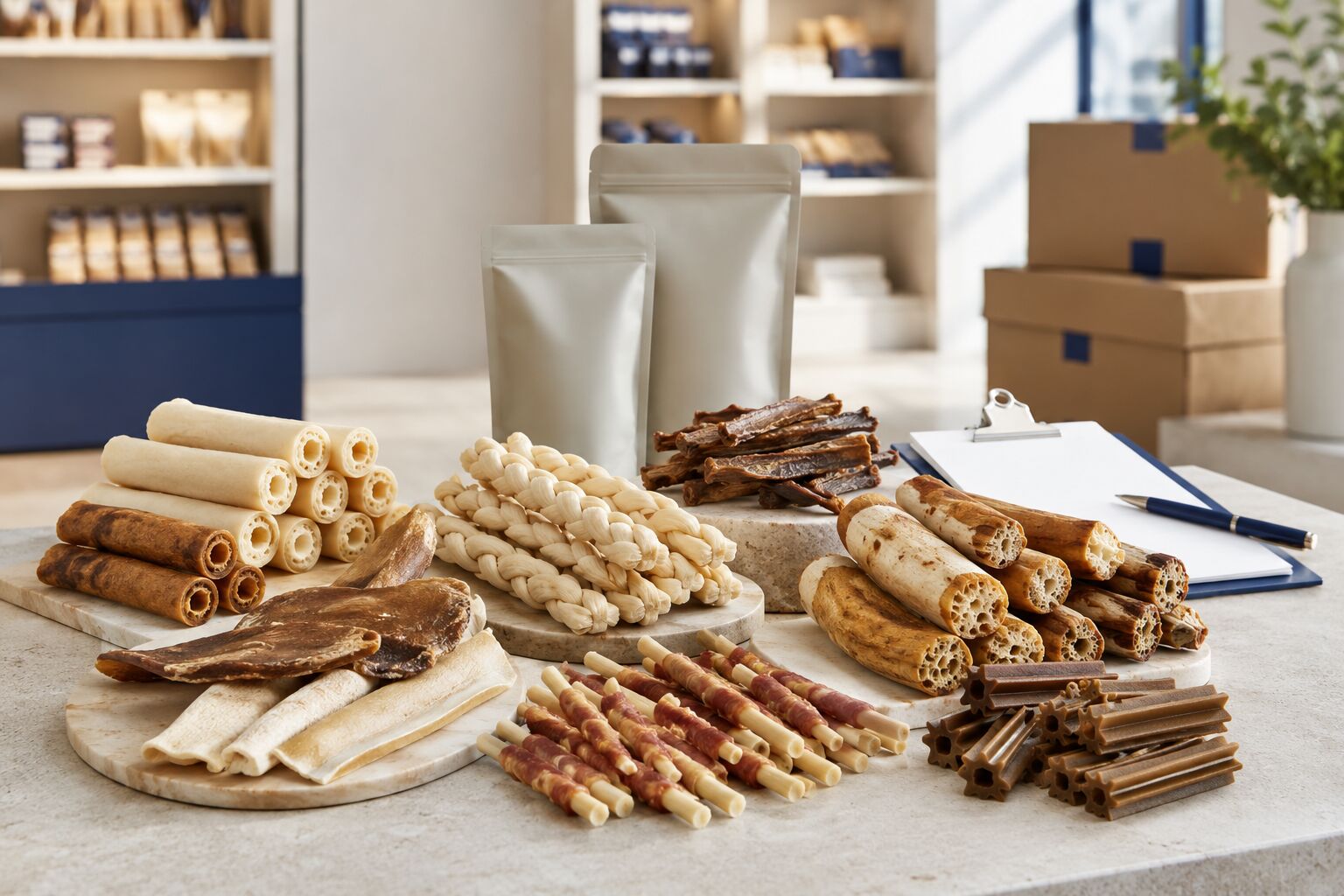
This guide explains how importers, distributors, retailers and private-label brands can source wholesale pet chews for Europe with fewer surprises and a stronger route to market.
Why Pet Chews Remain a Valuable European Retail Category
Chews sit at the intersection of reward, enrichment and everyday care. For retailers, this creates several selling occasions without requiring consumers to change their pet’s main diet.

The category can support:
- repeat purchases from regular chewers;
- premium pricing for collagen, meat-wrapped or natural formats;
- easy segmentation by dog size, life stage and chewing strength;
- compact trial packs for online marketplaces;
- larger value packs for specialist shops and supermarkets;
- private-label differentiation through shape, protein, pack design and positioning.
Although “pet chews” is a broad search term, the European commercial market is predominantly dog-focused. Cat chew products remain a smaller niche and should be validated with channel-specific demand before a large launch.
What European Consumers Expect From a Modern Pet Chew
Across European markets, shoppers increasingly evaluate the whole product rather than one headline benefit. Clear ingredient information matters, but so do practical details such as smell, mess, chew time, size consistency and resealability.
Strong products generally answer five questions quickly:
- What is it made from? The main raw material or protein should be easy to identify.
- Which dog is it for? Size and chewing intensity should be obvious.
- Why should the owner buy it? The benefit may be enrichment, a longer-lasting reward, palatability or dental support.
- How should it be given safely? Feeding guidance and supervision advice should be clear.
- Can the brand be trusted? Traceability, batch control, testing and responsible claims all influence confidence.
This is why the most successful wholesale range is rarely the one with the highest number of SKUs. It is the one shoppers can compare and understand in seconds.
Popular Wholesale Pet Chew Formats in Europe
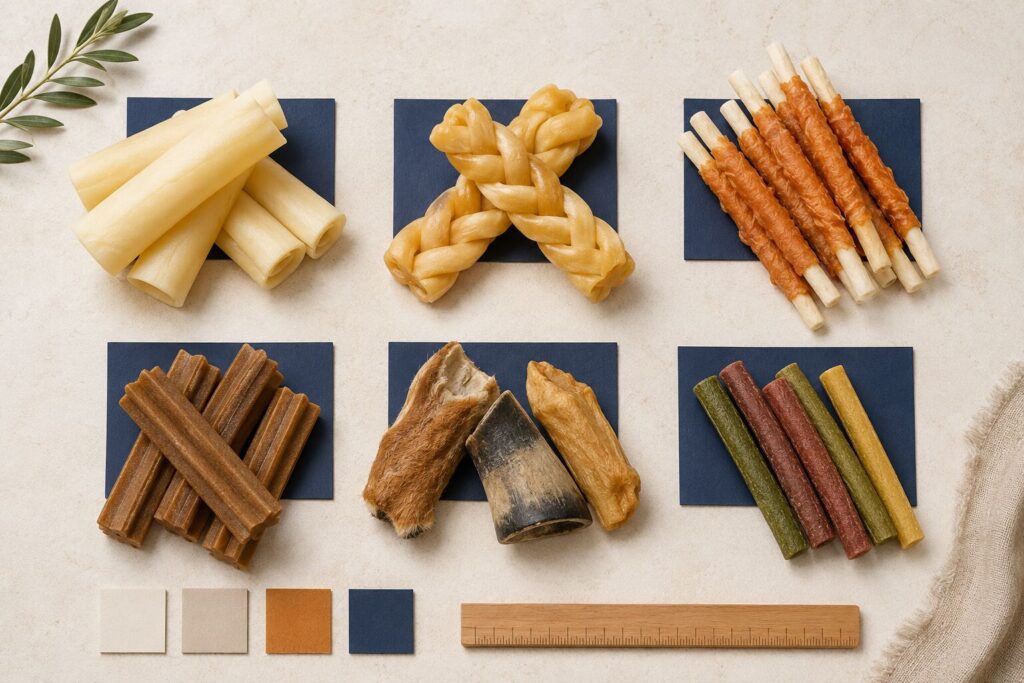
1. Collagen Dog Chews
Collagen chews suit brands seeking a clean, premium-looking format with broad merchandising potential. They can be offered as sticks, rolls, braids or shaped products and combined with meat for greater visual and flavour appeal.
Best suited to: premium pet retail, private-label ranges and online multipacks.
Buyer checks: raw-material origin, dimensions, weight tolerance, texture consistency, odour and target chew duration.
2. Meat-Wrapped Chews
Wrapping a chewable base with chicken, duck or another meat layer creates a highly visible two-texture product. This format can help a private-label brand stand out from generic single-material chews.
Best suited to: impulse displays, giftable packs and high-palatability ranges.
Buyer checks: meat adhesion, breakage during transport, protein declaration, fat migration, pack oxygen control and shelf-life stability.
3. Rawhide-Free Chews
“Rawhide-free” is a useful product architecture for shoppers actively looking for alternatives. Depending on the formulation, these chews may use collagen, vegetable starches or other chewable bases.

The wording should not be treated as the full sales proposition. Buyers still need to explain the actual material, texture and intended use.
Best suited to: natural-positioned ranges, mass retail and easy-to-shop online categories.
Buyer checks: exact base material, digestibility evidence, processing method, colourants, texture after storage and claim wording.
4. Traditional Rawhide Chews
Rawhide retains a market in some countries and price segments, but sourcing standards and consumer expectations require careful management. Transparent material identification, suitable sizing, processing controls and clear instructions are essential.
Best suited to: established value ranges where retailers already understand local demand.
Buyer checks: species and country of origin, processing method, chemical-residue controls, moisture, microbiology, thickness and traceability.
5. Dental-Style Chews
Dental-style products can encourage frequent repeat purchase because owners may use them as part of a routine. However, wording such as “reduces plaque” or “supports dental health” should only be used when the formulation, product structure and evidence support the claim.
Best suited to: supermarkets, subscription packs and functional pet-care ranges.
Buyer checks: claim substantiation, calorie content, feeding frequency, size grading, texture and breakability.
6. Natural Animal-Based Chews
Ears, tendons, skin rolls and similar formats attract shoppers who prefer recognisable, minimally processed products. Their natural variation can also create production and merchandising challenges.
Best suited to: specialist pet shops, natural ranges and mixed chew boxes.
Buyer checks: natural size variation, odour, fat content, origin, microbiological controls and whether the pack presentation remains attractive throughout its shelf life.
A Commercial Assortment That Is Easier to Scale
Instead of launching too many similar products, build a small range around clear use cases.
| Range role | Example format | Shopper need | Suggested pack approach |
|---|---|---|---|
| Everyday | Standard stick or roll | Affordable regular reward | Multipack or value pouch |
| Premium | Collagen braid or meat-wrapped chew | Higher perceived quality | Resealable stand-up pouch |
| Natural | Single-material animal chew | Recognisable ingredients | Window pouch or paper-look pack |
| Functional | Dental-style chew | Routine-based purchase | Count-led packaging by dog size |
| Trial | Mixed mini chews | Discovery and online conversion | Lightweight sampler pack |
A practical first order might include four to six SKUs across two or three price tiers. Sales data can then guide the second production run, rather than committing working capital to an oversized launch range.
EU Compliance Points Buyers Should Check Before Ordering
Compliance is not a logo added at the end of product development. It affects raw materials, the approved production route, documentation, label design and the importer’s responsibilities.
Feed Marketing and Labelling
Regulation (EC) No 767/2009 provides the core EU rules for placing feed, including pet food, on the market. Labels and marketing must be accurate, traceable and not misleading. The practical details will depend on the product classification and destination, but a compliant pack commonly needs information covering:
- the type or designation of the product;
- composition and relevant analytical information;
- additives where applicable;
- net quantity;
- batch or lot identification;
- best-before information;
- feeding, storage and safety directions;
- the responsible business operator’s details.
The FEDIAF Code of Good Labelling Practice is a useful industry reference and is reviewed regularly. Final artwork should still be checked for the country in which the chew will be sold.
Animal-Origin Ingredients and Import Controls
Many pet chews contain materials of animal origin. The EU’s animal by-product framework, including Regulation (EC) No 1069/2009 and Regulation (EU) No 142/2011, sets rules for safe handling and use. The European Commission notes that pet food and dog-chew plants form a specific category in its system of approved or registered establishments.
For goods entering the EU from a non-EU country, buyers should confirm the current eligibility of the country, species, establishment and product type. Depending on the product, official certification, TRACES processing and entry through an appropriate Border Control Post may be required. The Commission’s guidance on animal products entering the EU is a useful starting point.
Do not approve a purchase only because a supplier says a product is “EU compliant”. Ask for the specific establishment details, product documentation and certificate route that apply to your SKU.
Local Languages and Market-Specific Rules
The EU has harmonised rules, but consumer-facing language requirements and enforcement are local. A multi-country launch may need multilingual packaging or market-specific label versions.
The United Kingdom is also a separate regulatory and import market following Brexit. If one pack is intended for both Great Britain and EU member states, have the importer or regulatory adviser check both versions before printing.

Quality Documents to Request From a Pet Chew Manufacturer
Before confirming a bulk order, create a document checklist for the exact product rather than relying only on a factory presentation.
Request, as applicable:
- full ingredient and additive specification;
- product specification with dimensions and weight tolerances;
- analytical values and calorie information where needed;
- microbiological and relevant chemical test reports;
- allergen and cross-contamination statement;
- country and species origin of animal materials;
- manufacturing flow chart;
- shelf-life or stability evidence;
- packaging material specification;
- lot coding and traceability procedure;
- certificates for the facility and food-safety system;
- export health documentation examples for the intended route.
For chews, visual inspection is not enough. A product can look acceptable in a sample yet behave differently after several months, a humid summer or long-distance transport. Evaluate texture, odour, breakage, fat migration, colour stability and seal integrity during sample approval.
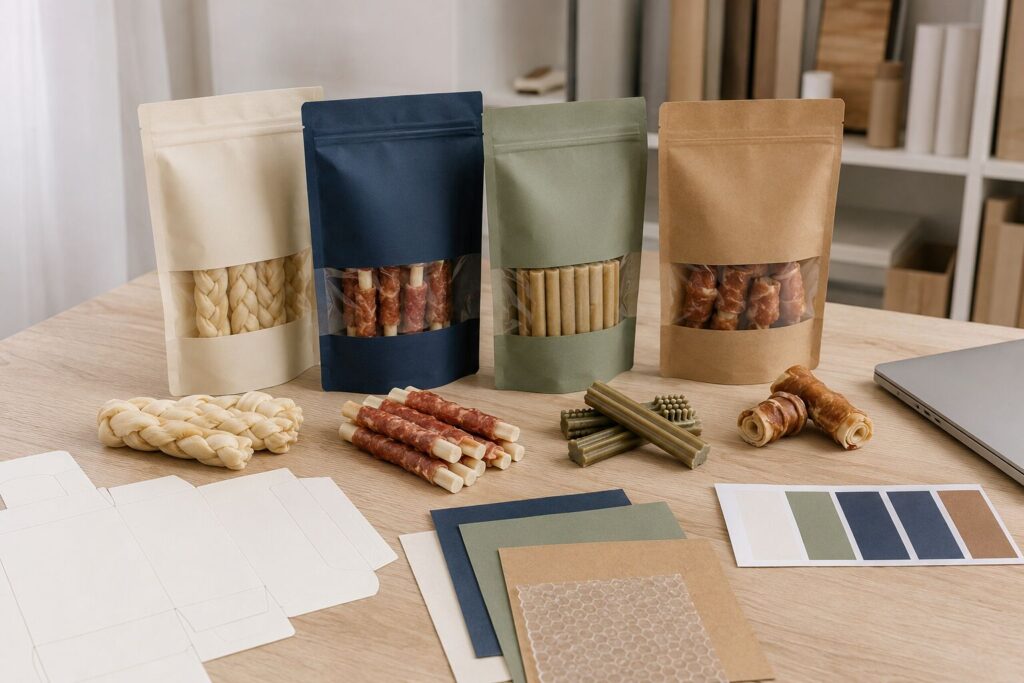
Packaging Wholesale Pet Chews for European Channels
Packaging must protect the chew and make the range easy to buy.
Specialist Pet Shops
Specialist retailers can explain product differences, so premium formats, mixed chew selections and natural-looking packaging can work well. Clear size guidance helps staff recommend the right product.
Supermarkets
Supermarket packs need instant communication and strong shelf blocking. A simple good-better-best hierarchy is often more effective than technical copy. Case dimensions, shelf-ready packaging and barcode accuracy matter to the buyer as much as the pouch design.
Amazon and Other Marketplaces
E-commerce rewards low breakage, efficient parcel dimensions and clear photography. Multipacks can increase average order value, but the final packed weight should be monitored closely because it affects fulfilment fees.
Sustainable Packaging Claims
European shoppers and retailers pay attention to packaging waste, but recycling infrastructure and labelling systems differ by country. Specify the actual laminate or mono-material structure and verify local disposal wording before making broad environmental claims.
Private Label Pet Chews: What Can Be Customised?
A capable OEM or private-label partner may support customisation across:
- chew material and protein;
- shape, length, diameter and unit weight;
- hardness and target chewing time;
- meat wrapping or flavour combinations;
- pack size and product count;
- pouch, jar, box or bulk format;
- multilingual labels;
- retailer-exclusive assortments;
- seasonal or mixed chew packs.
Not every variable should be changed at once. For a first European launch, it is usually faster and less risky to begin with a proven product platform, then customise the pack architecture and a small number of commercially meaningful features.
A Smarter Sampling and Order Process
Use the sample stage to test the eventual retail proposition, not just whether a dog will chew the product.
- Share a precise brief. Include destination country, channel, target dog size, preferred ingredients, retail price, pack size and forecast volume.
- Shortlist commercially distinct SKUs. Avoid five products that solve the same need.
- Evaluate samples systematically. Record dimensions, weight, odour, texture, breakage and pack fit.
- Confirm documentation and import route. Do this before final artwork and deposit.
- Approve production specifications. Set acceptable tolerances and golden-sample references.
- Run pre-shipment checks. Verify quantity, appearance, packaging, labels, cartons and requested testing.
Pack’n Pride supports B2B buyers with wholesale, OEM and private-label pet treat development. Project terms depend on the recipe and packaging, while programmes can include samples in about seven days, MOQ options from around 500 kg and production lead times of approximately 15–20 days after final approval. Confirm the exact terms for your selected chew and destination before ordering.
Questions to Ask a Wholesale Pet Chew Supplier
Use these questions in your first supplier call:
- Which chew products have already been exported to my target European country?
- Is the manufacturing establishment approved for the exact animal-origin product and export route?
- What documents will accompany the shipment?
- What are the product’s size and weight tolerances?
- How are Salmonella and other relevant hazards controlled?
- Can you provide shelf-life and packaging-barrier evidence?
- What is the MOQ per SKU, protein and packaging design?
- Which changes require a new formulation, test or lead time?
- Can you support multilingual label review?
- How are complaints, batch traceability and recalls managed?
A good supplier should answer specifically. Vague assurances such as “we export everywhere” are not a substitute for route-specific documentation.
Why Work With Pack’n Pride?
Pack’n Pride manufactures pet treats for distributors, retailers and private-label brands, with support across chew formats, jerky, freeze-dried treats and other pet snack categories. Buyers can develop a range around their target channel rather than purchasing a one-size-fits-all catalogue.
Our B2B support can include:
- OEM and private-label development;
- custom sizes, proteins and packaging;
- food-safety and quality-control documentation;
- multilingual, market-focused product planning;
- sample development and scalable production;
- export experience across international markets.
Explore Pack’n Pride’s dog product range, read our broader wholesale dog chews buying guide, or review the latest wholesale pet treat trends.
Build a Pet Chew Range for Your European Market
The best wholesale pet chews in Europe are not selected by popularity alone. They are selected by matching the chew format, dog size, retail price, channel economics and compliance route to one clearly defined market.
Start with a focused assortment, validate the documentation early and treat packaging as part of the product. This approach gives distributors and private-label brands a better chance of launching on time, protecting margin and earning repeat purchases.
Ready to source bulk or private-label pet chews? Contact Pack’n Pride with your destination country, preferred chew types, pack sizes, target price and forecast volume. Our team can recommend a more focused starting range.
Frequently Asked Questions
What are the most popular wholesale dog chews in Europe?
Collagen chews, meat-wrapped chews, rawhide-free products, natural animal-based chews and dental-style formats all have commercial potential. The strongest choice depends on the destination country, retail channel, dog-size mix and price position.
Can I order private-label pet chews for several European countries?
Yes, but label language, responsible-operator details, claims and import requirements must be checked for each destination. Multilingual packaging can reduce SKU complexity when the artwork remains readable and compliant.
What should I check before importing dog chews into the EU?
Confirm the product classification, animal-origin ingredients, country and establishment eligibility, required certificates, TRACES and border-control process, label compliance and importer responsibilities for the specific destination.
What is a sensible first assortment for a new brand?
Four to six SKUs across clear use cases—such as everyday, premium, natural and functional—usually provide a better test than a large range of similar chews. Use sales and review data to guide the second order.
Should chew packs include safety guidance?
Yes. Directions should help owners choose an appropriate size, supervise use and provide fresh water. Product-specific wording should be reviewed as part of the final market label.
Image Plan and SEO Alt Text
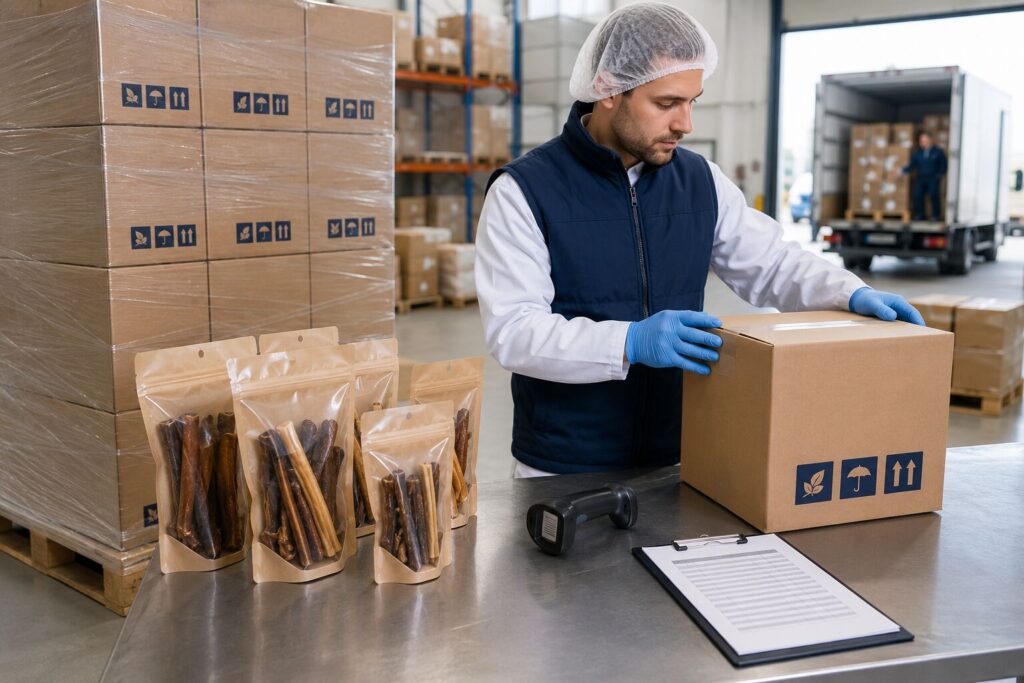
- Featured image: Premium assortment of wholesale pet chews prepared for the European retail market.
Alt text: Wholesale pet chews Europe for retailers and private label brands - European buyer image: A pet retail buyer comparing chew formats and packaging samples.
Alt text: European pet retail buyer sourcing wholesale dog chews - Chew format flat lay: Collagen, meat-wrapped, dental-style and natural chew formats.
Alt text: Popular wholesale dog chew formats for the European market - Quality control image: Inspection of chew dimensions, weight and packaging seals.
Alt text: Pet chew manufacturer quality control and product inspection - Private label packaging image: Neutral prototype pouches and chew samples on a design table.
Alt text: Private label pet chews packaging development for Europe - European logistics image: Cartons and packaged pet chews prepared for compliant distribution.
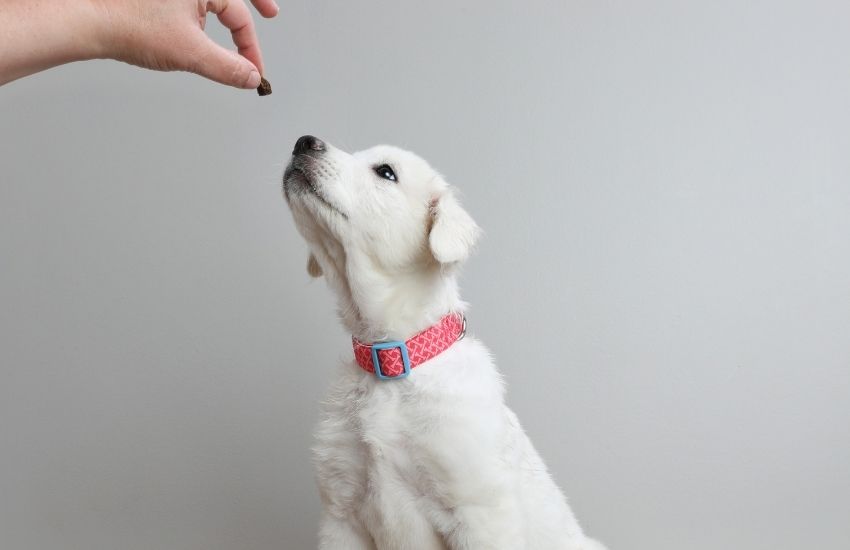
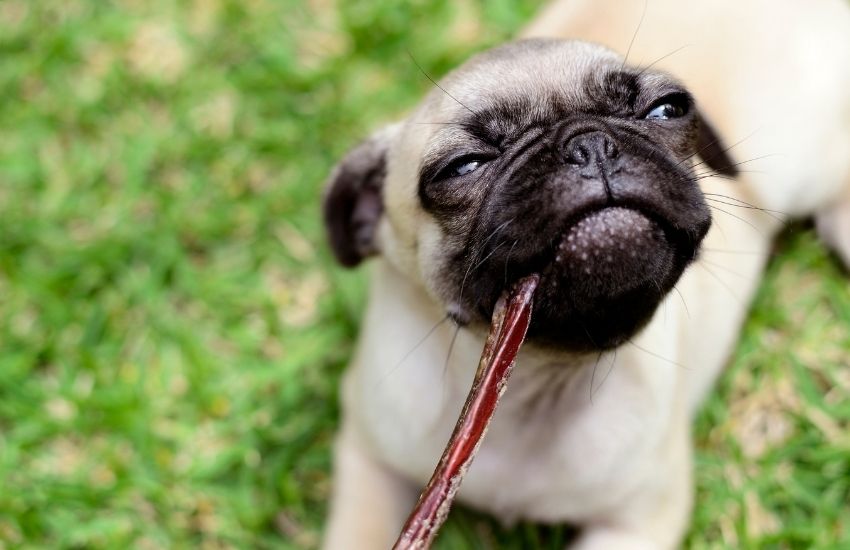
Alt text: Bulk pet chews prepared for distribution across Europe - Lifestyle image: A supervised dog enjoying a correctly sized chew in a modern European home.
Alt text: Dog enjoying a safe appropriately sized pet chew at home
Editorial Source Notes
- FEDIAF European pet population and pet food market statistics
- Regulation (EC) No 767/2009 on the placing on the market and use of feed
- FEDIAF Code of Good Labelling Practice for Pet Food
- European Commission: animal by-products
- European Commission: animal products entering and moving within the EU
- European Commission: TRACES