

Pet Treat Sell Through and Reorders
An opening order tells you how much stock retailers accepted. Pet treat sell through tells you how much customers actually bought. For a distributor introducing a brand, the first reorder is the point where those two numbers need to meet.
A fast initial shipment can be encouraging, but it may reflect a launch offer, extra shelf space or a retailer’s willingness to test a new range. Before increasing the next order, find out which products sold, where they sold and whether the result is likely to repeat.
This guide sets out a practical way to review a retail pilot, calculate useful measures and prepare a better replenishment enquiry. The numerical examples are illustrative planning exercises, not Pack’n Pride sales results or recommended order quantities.
Separate Distributor Shipments from Consumer Purchases
Keep sell-in and sell-through in different columns. Sell-in records your shipments to retailers. Sell-through records the retailer’s sales to end customers. A retailer receiving twelve cases has not necessarily sold twelve cases.
Where point-of-sale data is available, agree a regular report showing the product identifier, store, reporting period, units sold, returns and closing stock. Where it is unavailable, request a simple stock count and confirm whether any units were transferred, damaged or used as samples.
Also record the date stock reached the shelf. Delivery to a warehouse and availability to shoppers may be several days apart. Measuring a new product from its delivery date can make a delayed shelf launch look like weak demand.
Before launch, give every product one consistent identifier. GS1 explains how barcodes and product identifiers support identification through the supply chain. Your sales report, order form and retailer product file should refer to the same item and pack size.
Give Each Product a Clear Role in the Pilot
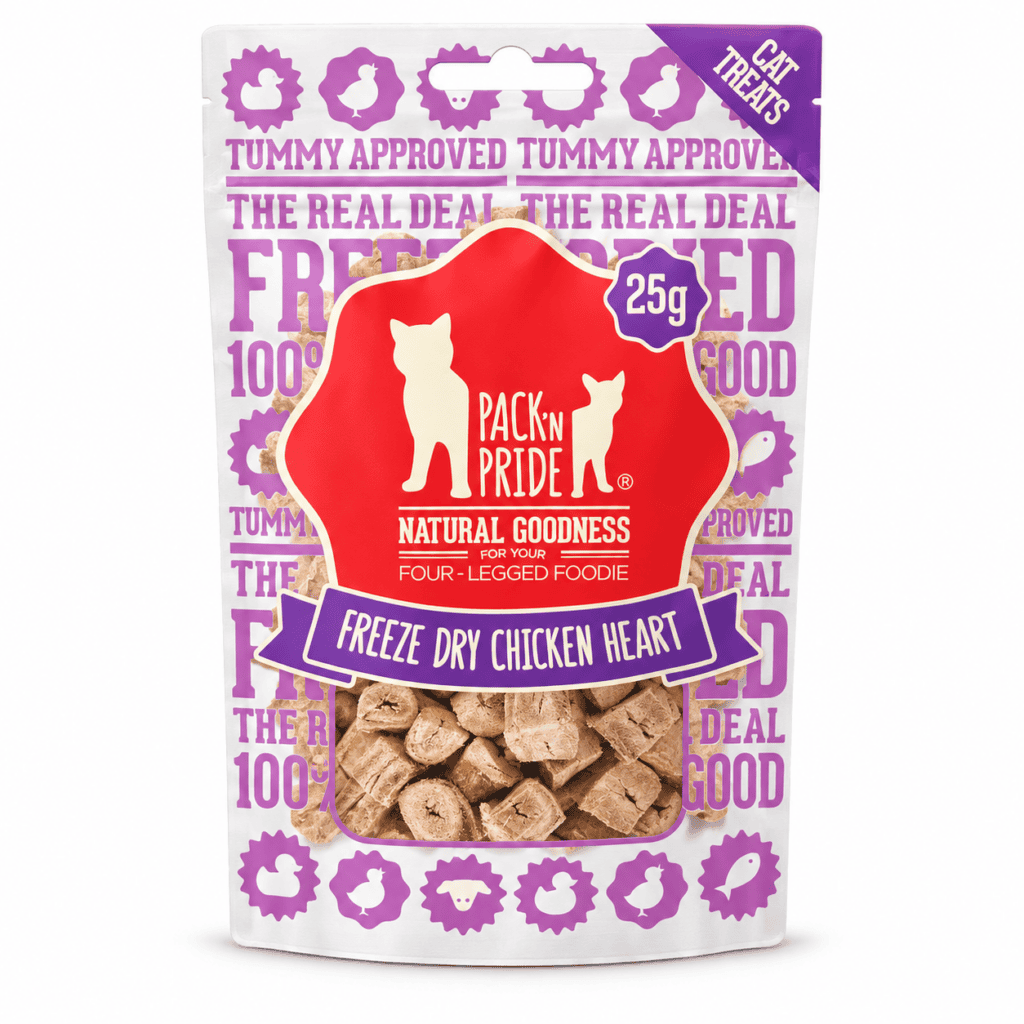
A focused pilot is easier to interpret when the products address different shopping occasions. You might test a training reward, a meat treat and a freeze-dried option, then add a cat product where the retailer has a relevant customer base.
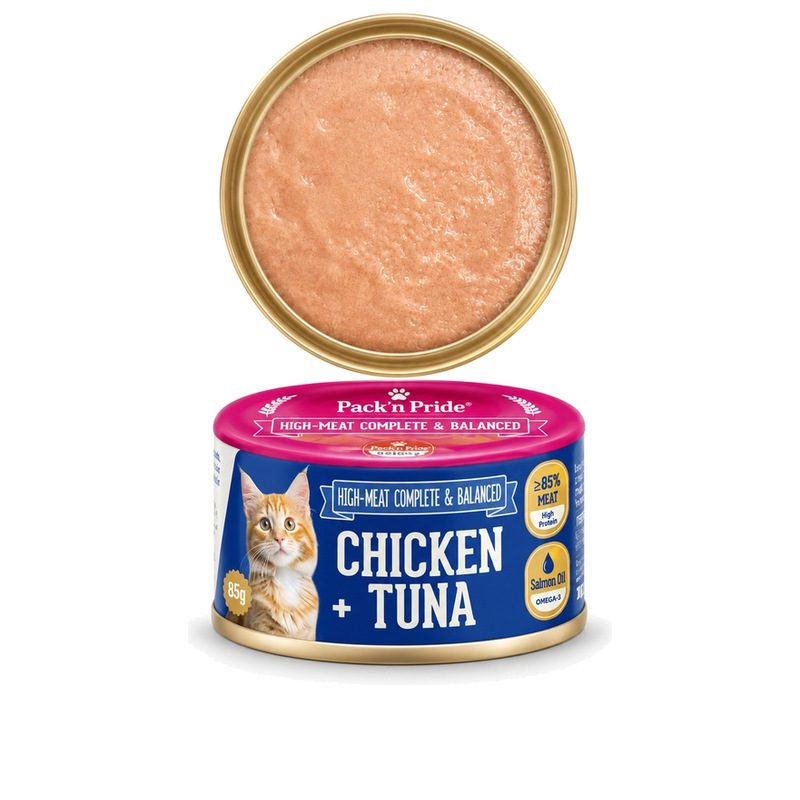
Chicken+Tuna 85g
Do not assume that every store needs the same mix. A shop serving dog trainers may have different demand from a neighbourhood store with a large cat customer base. Record these differences before comparing results.
Pack’n Pride’s branded pet treat wholesale guide provides a starting point for discussing the range. Review the current catalogue and confirm which products, pack sizes and case quantities are available for your market.
Keep the opening assortment small enough that staff can explain each item and your team can track it. Adding several similar flavours immediately may spread the trial stock across too many products to show a clear result.
Calculate Sell Through Using a Consistent Stock Basis
For a defined reporting period, a useful unit-based measure is:
Sell-through rate = Net units sold to customers ÷ Units available for sale during the period × 100.
For this calculation, units available means opening saleable stock plus receipts during the period. Record transfers and other stock adjustments separately so the inventory reconciliation remains clear. Use the same method across the products being compared.
25g
Suppose a pilot begins with 120 units of one treat and receives no additional stock. Customers buy a net 78 units over four weeks. Sell-through is 78 ÷ 120 × 100, or 65%.
If all ten participating stores had stock available for the full four weeks, average sales would be 78 ÷ 10 ÷ 4, or 1.95 units per store per week. That second measure helps you compare trials with different store counts.
| Pilot measure | Illustrative value | What it helps explain |
|---|---|---|
| Opening units | 120 | Size of the stock commitment |
| Net customer sales | 78 | Units purchased after returns |
| Closing units | 42 | Remaining stock if there were no adjustments |
| Sell-through rate | 65% | Share of available units sold |
| Sales per store per week | 1.95 | Sales rate across ten stores over four weeks |
The percentage is not a universal benchmark. A trial with very little starting stock may produce high sell-through while leaving sales unrealised through stockouts. Check stock availability before treating the percentage as evidence of sufficient demand coverage.
Investigate the Conditions Behind a Strong or Weak Result
Review performance at product and store level. A regional average can hide one strong store and several stores where the product never received a fair trial.
For stronger products, check whether sales depended on a promotion, staff recommendation or temporary display. If the next order will sell at the regular price, use regular-price results where possible when forming the forecast.

For slower products, first confirm that they were on the shelf, correctly priced and easy to find. Then ask whether the pack size, product format or proposition fits that store’s customers. A distribution problem and a product preference problem require different actions.
Use staff feedback as a source of questions to investigate. Comments such as customers asking for a smaller pack can guide a controlled follow-up, but a few remarks do not establish demand across the whole territory.
Set the Reorder Trigger Using the Replenishment Timeline
A reorder trigger answers when to act. It is different from the quantity you eventually purchase.
Reorder point = Expected unit demand during replenishment lead time + Safety stock.
Use a lead time that reflects the actual arrangement, including order processing, production or stock allocation, transport and the time needed to make goods available for sale. Confirm this timeline with the supplier instead of assuming every repeat order follows the first shipment.
For example, twelve stores selling three units each per week create estimated demand of 36 units per week. With a six-week replenishment lead time, expected demand is 216 units. Adding an illustrative 72-unit safety stock gives a reorder point of 288 units.
Compare that trigger with your inventory position: saleable stock plus confirmed incoming units, less units already committed. Avoid counting the same retail stock and central warehouse stock twice. Stock that is damaged or unavailable for sale should not support the forecast.
Once the trigger is reached, calculate the order quantity using your review period, expected demand, case packs, minimum order requirements and remaining shelf life. The reorder point itself is not an instruction to buy that many units.
Build the Next Order Around Evidence and Constraints
Group the pilot results into actions. Products with repeatable sales and workable margins may justify replenishment. Products affected by poor shelf availability may need a corrected trial. Products with weak demand under fair conditions may need a smaller commitment or a replacement.
Check whether a proposed expansion would create too much stock in slower stores. Adding locations changes the demand assumption; multiplying a successful store’s result across every new outlet can overstate the opportunity.
Also review the economics. Freight, retailer discounts, returns and launch support affect the value of a reorder. Our guide to pet treat wholesale pricing and retail margin helps organise that separate calculation.
Before confirming the order, request current availability, case quantities, lead times and shelf-life information for the selected products. A commercially attractive reorder still needs to fit the distribution schedule.
Frequently Asked Questions
What is a good pet treat sell-through rate?
There is no single percentage suitable for every product or trial. Interpret the rate alongside the selling period, stock availability, store count, promotions and margin. Compare similar conditions and track whether sales continue after launch support ends.
How often should a new distributor review sales?
A weekly review is a practical starting point during a pilot because it can reveal stockouts and reporting gaps early. Choose a decision date that allows enough selling time while leaving room to reorder before stock runs out.

Should every successful product receive a larger reorder?
No. First check whether the result is repeatable and whether existing stock, incoming shipments and shelf life support a larger commitment. A product can sell well while the distributor already holds enough stock.
What if retailers cannot provide point-of-sale data?
Use opening stock, deliveries, closing stock and recorded adjustments to estimate sales. Mark the result as an estimate and reconcile samples, damage, returns and transfers before using it in a forecast.
Plan Your Next Order with Pack’n Pride
Share your country, sales channels, number of active stores and the products you want to introduce or replenish. Where you have pilot results, include sales by product, remaining saleable stock and the date you need the next shipment available.
Contact Pack’n Pride to request the current product selection, case-pack information and wholesale terms for your market. A clear sales and stock picture makes the next range discussion more useful.