
Branded Pet Treats Wholesale: How to Build a Retail-Ready Product Range
A successful pet treat distribution business needs more than a collection of good products.
It needs a recognizable brand, the right product mix, consistent supply, and a clear reason for retailers to give those products shelf space.
For distributors, wholesalers, and independent pet retailers, branded pet treats wholesale offers a practical way to build a structured retail assortment without developing an entirely new consumer brand.
But choosing the right products is only the beginning.
The real challenge is selecting an assortment that suits local buying habits, covers different pet ownership needs, and supports repeat purchases.
This guide explains how to evaluate a branded pet treat range, organize product categories, and prepare a practical retail distribution strategy.
Why Brand Identity Matters in Pet Treat Distribution
Pet owners encounter many different treats when shopping online or visiting a pet store.
They may compare ingredients, protein sources, pack sizes, appearance, and price.
However, brand recognition also plays an important role in purchase decisions.

When customers recognize a brand and have had a positive experience with its products, they may be more comfortable trying another product within the same range.
For retailers, a consistent branded collection can also simplify merchandising.
Instead of presenting unrelated products from multiple suppliers, stores can organize complementary treats under a recognizable visual identity.
A structured branded assortment may offer several advantages:
- Consistent packaging presentation
- Easier category organization
- Opportunities for cross-selling
- More recognizable product displays
- A clearer proposition for repeat purchasing
For distributors managing several retail accounts, this consistency can make product presentations and assortment planning more efficient.
Five Pet Treat Categories to Consider for Your Retail Range
A strong product assortment should address different purchasing occasions rather than simply offering many flavors of the same treat.
1. Dog Training Treats: Everyday Repeat-Purchase Products
Training treats are often used during obedience training, walks, and everyday reward routines.
Consumers may look for products that are easy to portion, carry, and offer repeatedly.
For distributors, this category can help serve customers who purchase treats frequently.
Pack’n Pride offers several reward-style products, including:
- Duck & Sweet Potato
- Duck & Apple
- Beef & Cranberry Bits
- Chicken & Flaxseed Bites
- Chicken and Duck Roll varieties
These formats can be presented around everyday use occasions such as training, walking, and positive reinforcement.
When selecting training treats for retail distribution, consider piece size, pack size, ingredient presentation, and the recommended feeding instructions.
2. Dog Chews: A Distinctive Retail Category
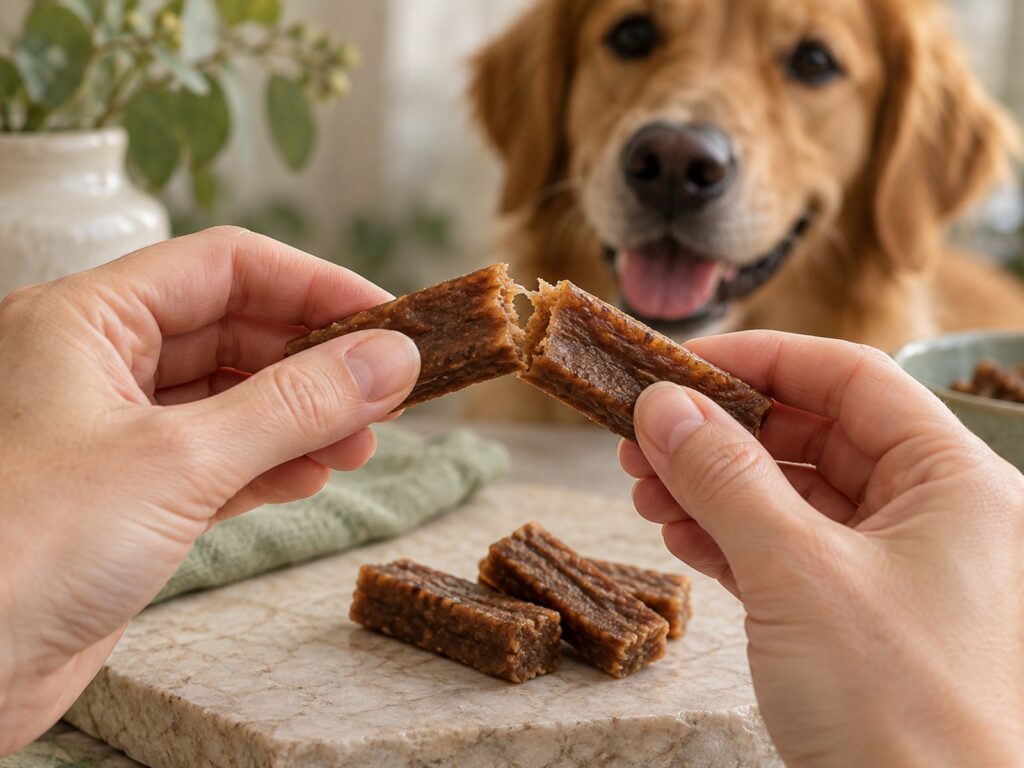
Dog chews meet a different consumer need from small training rewards.
Shoppers may choose chews based on size, texture, ingredients, and how their dogs typically chew.
Retailers should provide clear product information to help owners select appropriately sized products and supervise use.
The Pack’n Pride product collection includes chicken-wrapped and duck-based chew formats, along with selected rawhide and chew-stick products.
For distributors, dog chews can add variety to the assortment while serving a different purchasing occasion from everyday training treats.
3. Freeze-Dried Pet Treats: Premium Product Positioning
Freeze-dried pet treats offer a distinctive texture and ingredient-focused presentation.
Meat-based freeze-dried products may appeal to consumers who prefer recognizable protein sources and simple ingredient descriptions.
Pack’n Pride includes freeze-dried chicken and duck products in its retail assortment.
These items can occupy a premium section of a pet store or complement more accessible daily reward products.
Retailers should consider:
- Pack weight and retail selling price
- Ingredient labeling
- Product breakage during transportation
- Moisture protection
- Packaging resealability
- Storage and shelf-life instructions
Premium positioning should be supported by product specifications and customer value, rather than price alone.

4. Cat Treats: Expanding Beyond Dog Owners
Distributors that stock only dog treats may overlook retail customers shopping for cats.
Adding a carefully selected cat treat range can help a distributor serve more of a pet store’s customer base.
Pack’n Pride offers products such as catnip biscuits and freeze-dried chicken or duck treats for cats.
These formats support different retail propositions.
Catnip biscuits can be presented as everyday snack options, while freeze-dried meat treats can be positioned for ingredient-focused shoppers.
For buyers planning a mixed dog-and-cat assortment, the goal should be balance rather than stocking every available flavor immediately.
5. Wet Food and Complementary Products
Some distributors may benefit from extending their assortment into wet pet food or other complementary products.
This can help create additional sales opportunities with retail accounts that already carry treats.
However, wet food and treats have different nutritional classifications, labeling requirements, pack weights, freight characteristics, and inventory considerations.
Distributors should evaluate these categories separately before expanding their product range.
Explore the Pack’n Pride wholesale product collection to review available product categories.
How to Build a Balanced Branded Pet Treat Assortment
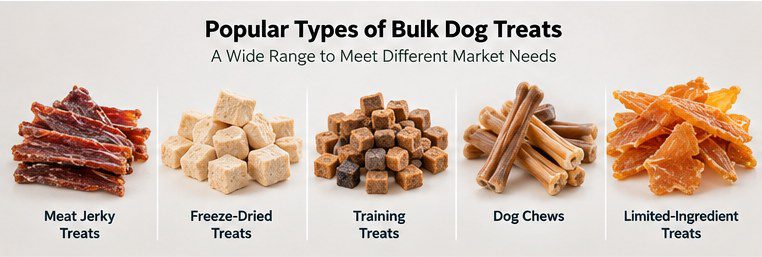
An effective retail assortment does not need to include every available SKU.
A focused selection is often easier to introduce, explain, and monitor.
For example, a distributor entering a new market might begin with the following illustrative assortment.
| Product Category | Example Starting Range | Role in the Assortment |
|---|---|---|
| Dog training treats | 3 SKUs | Everyday rewards |
| Dog chews | 2 SKUs | Chewing occasions |
| Freeze-dried dog treats | 2 SKUs | Premium treats |
| Cat treats | 2 SKUs | Feline customer coverage |
| Complementary product | 1 SKU | Category expansion |
This ten-SKU model is an example, not a fixed Pack’n Pride distributor package.
The right assortment depends on the market, retailer mix, shelf space, product availability, and local customer preferences.
The most useful approach is to start with a manageable range and expand based on actual sell-through.
What Distributors Should Check Before Selecting a Pet Treat Brand
Product Documentation and Market Requirements
Before importing branded pet treats, confirm that the products meet the applicable requirements of the destination market.
Depending on the country, this may involve reviewing ingredient declarations, product classification, labeling, export documentation, and import procedures.
Pet food and treat regulations differ between markets.
Distributors should confirm the necessary requirements with the relevant authorities or qualified import specialists.
Packaging and Retail Presentation
Retail-ready packaging should clearly communicate what the product is and how customers should use it.
Important details may include:
- Product name and intended animal
- Ingredient declaration
- Net weight
- Feeding instructions and warnings
- Lot identification and shelf-life information
- Required importer or distributor details
- Applicable local-language information
Packaging suitability should be checked before placing large orders.
Supply and Reordering
For a distributor, the first shipment is only one part of the business relationship.
A successful product may require regular replenishment.
Ask suppliers about commercial availability, lead times, order planning, and how changes to product specifications are communicated.
Consistent reordering matters because retailers need dependable inventory to maintain shelf availability.

Commercial Fit
A product can look attractive while offering insufficient margin after logistics and local selling costs.
Distributors should calculate:
Estimated Gross Margin = (Net Selling Price − Landed Product Cost) ÷ Net Selling Price × 100
This gross-margin calculation does not include every business expense.
Retail promotions, warehousing, payment fees, sales commissions, and unsold inventory can also affect profitability.
A sustainable product range requires realistic pricing at both the distributor and retailer levels.
How to Introduce a New Pet Treat Brand to Retailers
Once the initial assortment is selected, distributors need a practical market-entry approach.
Start With a Focused Retailer Group
Identify stores that match the selected products.
For example, a range with premium freeze-dried treats may fit specialty pet retailers, while an assortment featuring everyday rewards and chews may suit stores serving a broader range of budgets.
Present the Products by Consumer Need
Retail buyers do not necessarily need a long list of technical product descriptions.
They need to understand which products customers are likely to purchase and why.
Organize your presentation around clear categories such as:
- Everyday training rewards
- Chewing treats
- Premium meat treats
- Cat snacks
This helps retail buyers see how each product contributes to the overall category.
Use Real Product Photography
Good product photography helps retailers evaluate packaging, product appearance, and merchandising potential.
Images should accurately represent the items being supplied.
Distributors can use consistent, approved product visuals across catalogs, retailer presentations, and digital sales channels.
Track Early Sales Performance
After introducing the products, track performance by SKU and retailer.
Useful indicators include:

- Units sold per store
- Sales per SKU
- Reorder frequency
- Sell-through rate
- Inventory remaining
- Customer feedback
A product with lower initial sales but consistent repeat orders may be more valuable over time than one that sells quickly during a promotion and then stops moving.
Use actual results to decide which SKUs deserve more inventory or additional retail placement.
Why Work With Pack’n Pride?
Pack’n Pride offers an established branded range of pet treats and food products for distribution and retail channels.
Our assortment includes:
- Dog training and reward treats
- Dog chews
- Freeze-dried meat treats
- Cat treats
- Selected wet pet food products
This range allows distributors to evaluate several complementary categories under the Pack’n Pride brand.
For businesses developing local distribution, the objective is to create a commercially workable assortment supported by appropriate product information and dependable supply arrangements.
Unlike a private label manufacturing project, a Pack’n Pride branded distribution partnership focuses on selling Pack’n Pride products under the Pack’n Pride brand.
Learn more about Pack’n Pride and explore our wholesale pet treat range.
Frequently Asked Questions
What are branded pet treats wholesale?

Branded pet treats wholesale refers to purchasing products sold under an established consumer brand for resale through retail, distribution, or approved e-commerce channels.
Can I become a Pack’n Pride distributor?
Businesses interested in distributing Pack’n Pride products can contact the team to discuss their country, sales channels, current product portfolio, and potential cooperation.
What types of retailers can sell Pack’n Pride products?
Depending on product suitability and local requirements, potential channels may include independent pet stores, pet shop chains, supermarkets, and online pet retailers.
Which pet treat products should a new distributor start with?
A focused assortment of everyday training treats, chews, freeze-dried products, and selected cat treats can be a practical starting point. The ideal selection depends on local demand.
Does Pack’n Pride offer branded products for wholesale resale?
Pack’n Pride offers a branded pet treat and food assortment. Interested wholesalers and distributors should request current product availability and commercial terms directly.
Conclusion: Build a Product Range That Retailers Can Sell With Confidence
A successful pet treat distribution business depends on product selection, customer understanding, consistent supply, and effective retail presentation.
Instead of choosing products based only on purchase price, distributors should consider how each item contributes to a recognizable and commercially sustainable assortment.
With a balanced collection of dog chews, training treats, freeze-dried snacks, and cat treats, businesses can serve multiple purchasing occasions through one branded range.
Interested in distributing Pack’n Pride in your market?
Contact Pack’n Pride to discuss branded wholesale and distribution opportunities.
Tell us your country, business type, existing sales channels, and the products you are interested in.
Our team can help you explore suitable Pack’n Pride products and the next steps toward a potential distribution partnership.