Wholesale Soft Dog Treats: A Retailer’s Buying Guide
Buying wholesale soft dog treats starts with a simple question: how will your customers use them? A reward for a quick recall exercise needs a different size and texture from a treat offered at the end of a walk. For pet shops, online retailers and distributors, those everyday details help shape a range that is easy to explain and practical to sell.
This guide focuses on choosing soft treat formats, evaluating samples and planning packaging before you commit to a wholesale order.
What Are Soft Dog Treats?
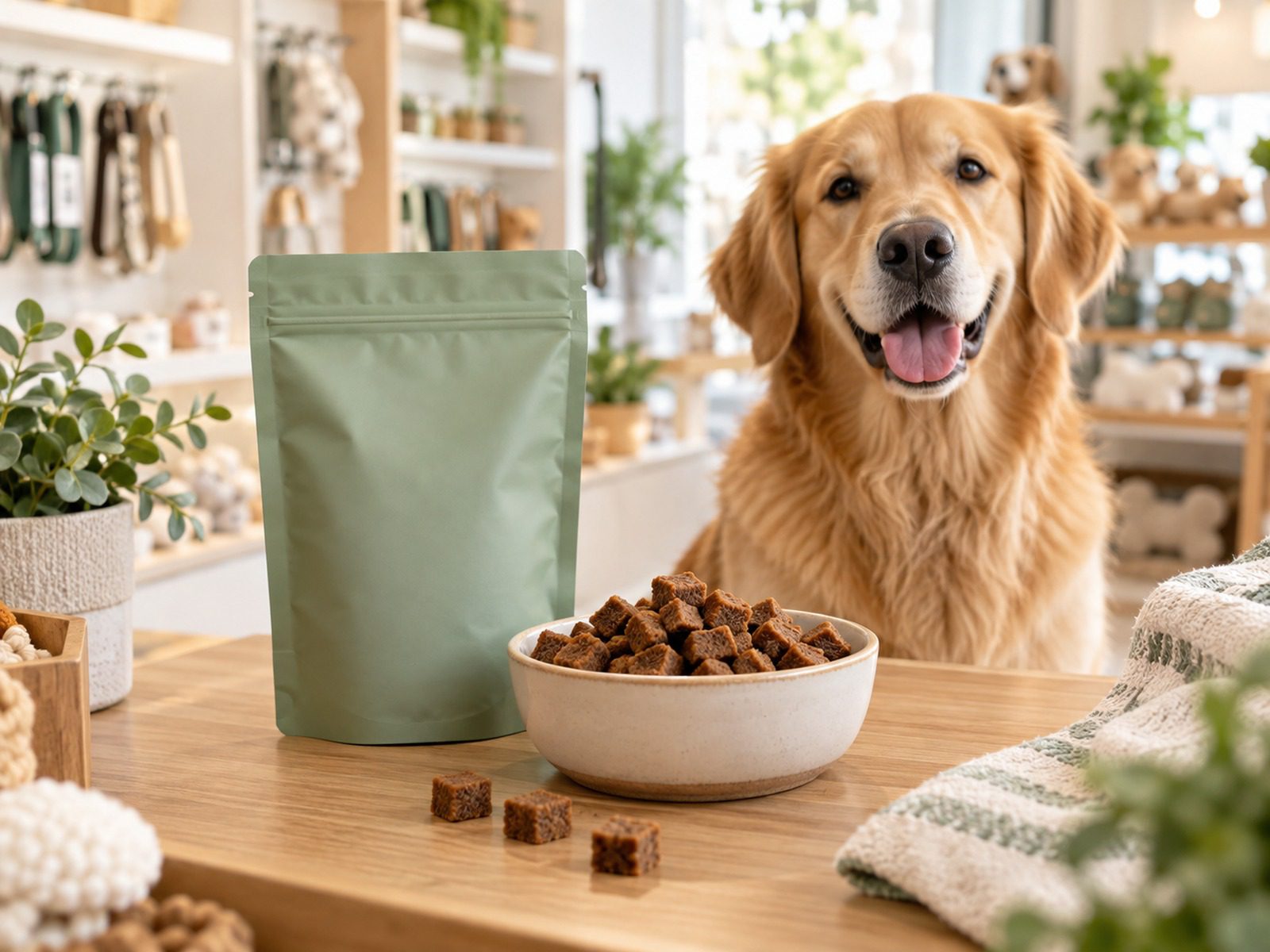
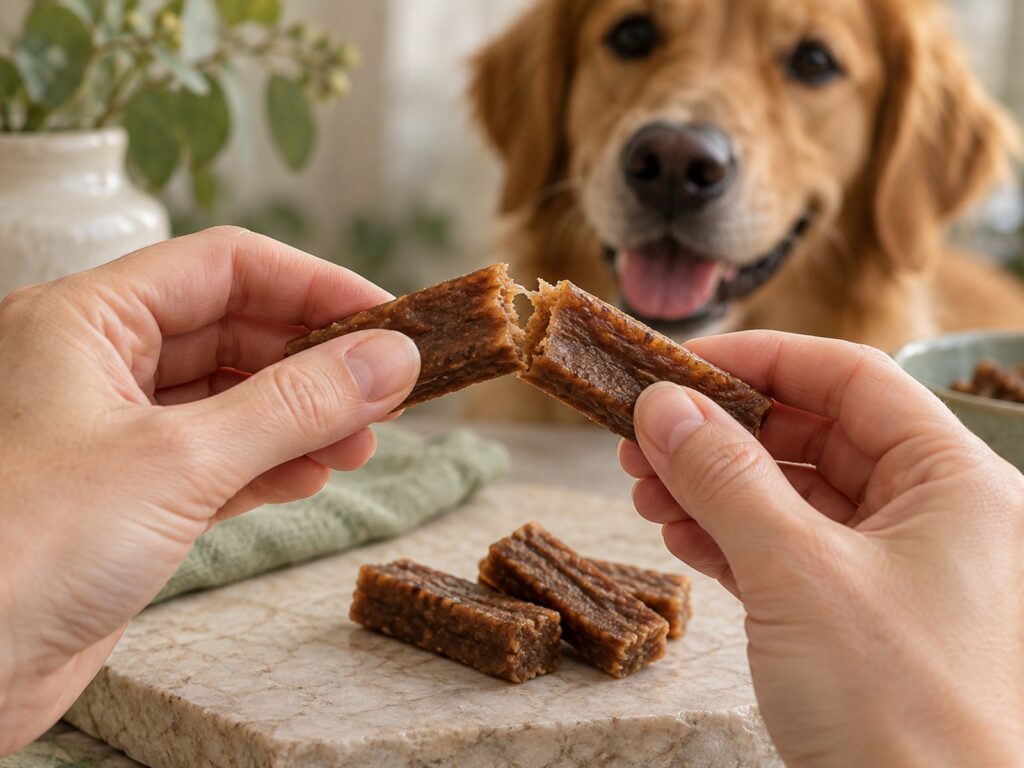
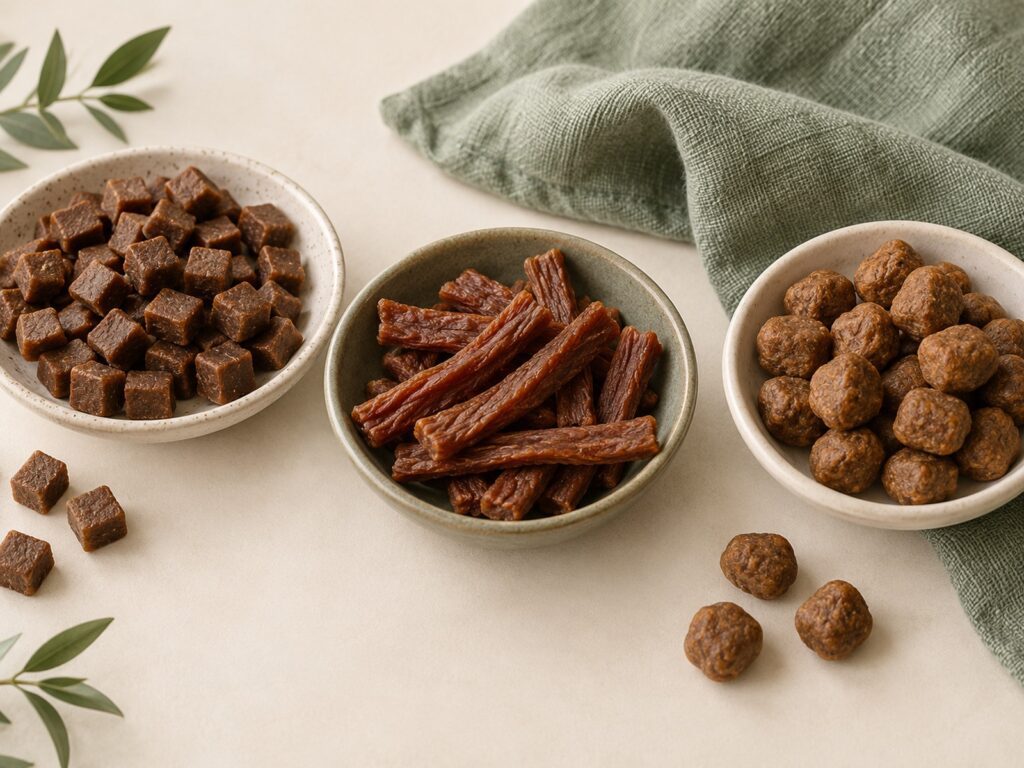
Soft dog treats have a yielding texture that can be pressed, bent or broken into smaller portions more easily than a hard biscuit. Depending on the recipe and processing method, they may come as small bites, miniature sausages, strips or other chewy shapes.
However, product names do not tell the whole story. A “meat strip” can be tender or quite firm, while two products described as “soft bites” can feel very different. Ask for a representative sample and agree on the texture you want before ordering.
Treat softness is also separate from ingredient positioning. A soft treat is not automatically grain-free, single-protein or free from preservatives. Assess the recipe and the eating texture as two different parts of your buying decision.
Why Soft Treats Fit Everyday Rewarding
Picture a customer practising a sit outside a café, rewarding a successful recall or packing a treat pouch before a walk. In each case, convenience matters: the treat should be easy to pick up, portion and offer.
A small, soft reward can fit these brief interactions. A larger piece that breaks cleanly gives owners flexibility over portion size. For a retailer, this creates straightforward merchandising opportunities beside leads, walking accessories and treat pouches.
When assessing wholesale soft training treats, look beyond how attractive they appear in the bag. Try picking up one piece at a time. Does it stick to neighbouring pieces? Does it leave a greasy residue? Can it be divided without falling into crumbs? These observations help you describe the product more accurately online and in store.
Pack’n Pride’s Training Rewards collection provides a starting point for reviewing bite, sausage and roll formats. Ask which current options match your required softness and piece size.
Choose a Format With a Clear Role
A focused range is easier to merchandise when every product serves a recognisable purpose. The following are buying concepts to discuss with your supplier, rather than a confirmed stock list.

| Format | Possible retail position | What to check in samples |
|---|---|---|
| Mini soft bites | Convenient rewards during short training sessions | Consistent size, easy handling and calories per piece |
| Tender strips | Break-to-size rewards for walks and home use | Flexibility and how neatly each strip divides |
| Small sausage-style treats | An alternative shape for everyday rewarding | Casing texture, portioning and surface residue |
| Larger soft bites | A distinct option within an everyday treat range | Piece dimensions and clear serving information |
Start with a small selection that differs meaningfully in format, recipe or pack size. Several nearly identical products can make the shelf look fuller while making the customer’s decision harder.
If you are comparing reward formats with meat-led snacks, explore the real meat dog treats range. Confirm individual textures instead of assuming all meat treats are soft.
Read the Recipe Before Writing the Sales Message
The front-of-pack flavour is only part of the product story. Request the full ingredient information, analytical information and feeding directions for each shortlisted SKU.
For example, a chicken-named product may contain other animal ingredients. If your planned retail message depends on a single animal protein, ask the supplier to confirm the entire formulation before using that claim.
Keep product descriptions concrete. Explain the shape, approximate dimensions, texture and intended rewarding occasion. Avoid adding “hypoallergenic”, “dental care” or other benefit claims simply because a treat feels soft or has a short ingredient list.
For training-focused products, request calorie information per piece where available. If only a value per 100 g is supplied, ask for the typical piece weight so customers can understand the serving guidance.
Packaging Should Work Beyond the First Opening
Customers experience a soft treat over several days or sessions, so assess the pack as well as the product inside it.
A resealable pouch is a useful feature to evaluate, but the presence of a zip alone does not establish how long the treats retain their texture. Ask for the product’s storage instructions, unopened shelf life and guidance after opening.
During sample review, open and close the pouch several times. Check whether the closure is easy to align, whether treats obstruct it and whether the opening is wide enough for comfortable access.
Pack size should also match the use occasion. A compact pouch may suit occasional walks, while a larger format could suit frequent rewarding. Treat these as concepts to test against your customers’ buying habits and the supplier’s available specifications.
For bulk soft dog treats intended for repacking, clarify who will handle the retail packaging, batch identification and final product information. Finished retail packs may be more practical if your business does not already manage those operations.
How to Evaluate Wholesale Samples
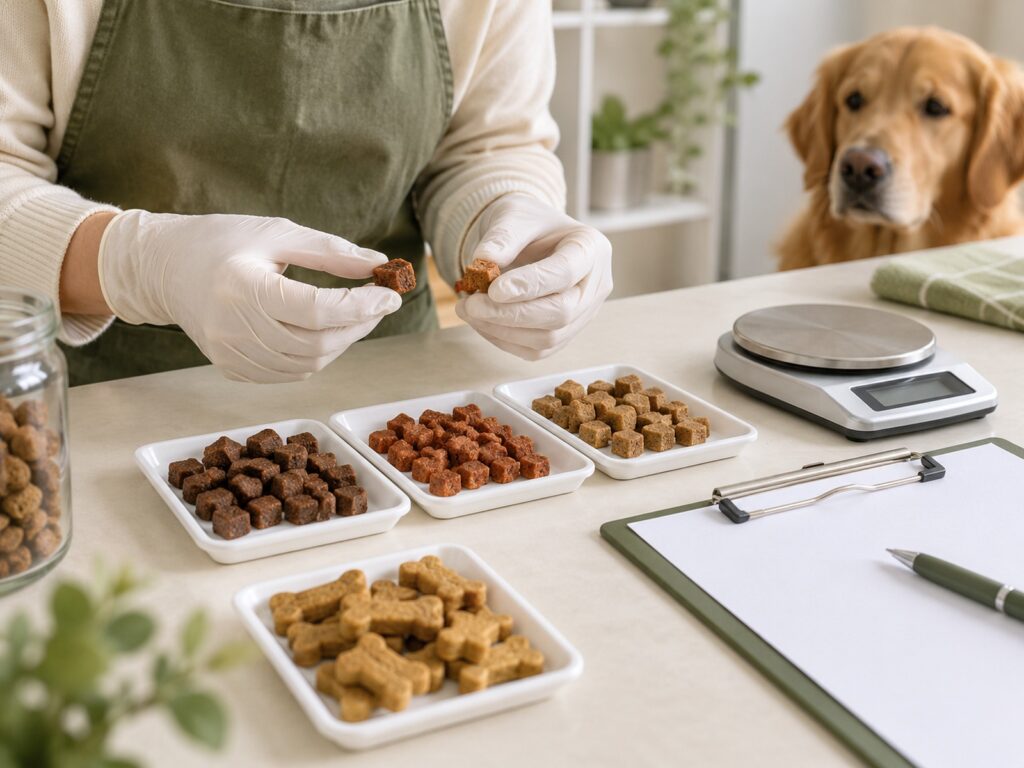
Create a simple comparison sheet and use the same process for every shortlisted product. A photograph is helpful, but a written record makes texture and handling differences easier to discuss with the supplier.
| Check | Record during your review |
|---|---|
| Softness | Whether the piece bends, compresses or breaks; how much effort is needed |
| Portioning | Whether it divides into usable smaller rewards |
| Handling | Stickiness, surface oil and residue on fingers |
| Consistency | Differences in size, colour and texture within the pack |
| Pack condition | Closure performance, damaged pieces and loose crumbs |
| Product information | Recipe, analysis, feeding directions and storage instructions supplied |
| Reorder reference | Sample code and the specification to which future orders will be matched |
Ask whether the sample represents the product you will actually receive, including its packaging. If you request a different recipe, piece size or pouch, agree on a new approval sample where appropriate.
For a first order, define what would count as an unacceptable difference from the approved sample. This gives both parties a clearer basis for resolving issues than a description such as “premium soft texture”.
Wholesale Packs or Your Own Brand?
Decide early whether you want existing branded products or a project developed around your own label.
For branded wholesale supply, ask about available SKUs, units per case, barcodes, product photography and current trade pricing. This route allows you to assess an existing range and its fit with your shop or online catalogue.
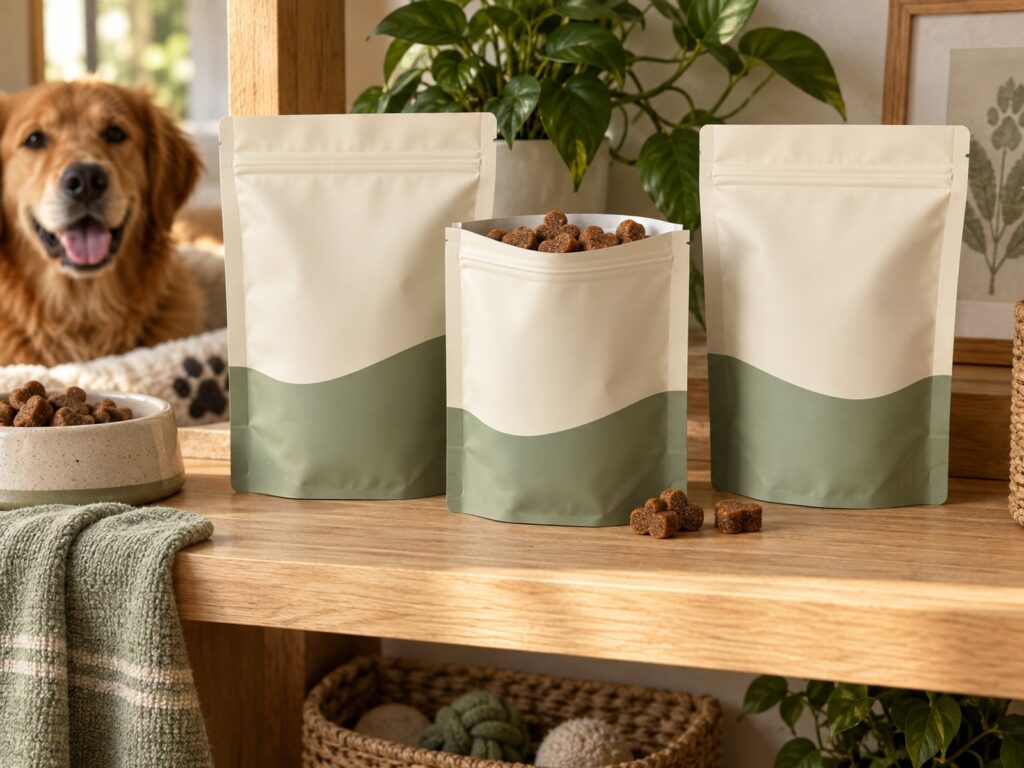
If you are exploring private label soft dog treats, separate packaging changes from product development. A custom pouch, a different pack weight and a new recipe involve different decisions. Ask which options are available, what minimum quantities apply to each and how sample approval affects the timeline.
Have food and packaging minimums quoted separately. Also clarify the treatment of any unused printed pouches when you change a design or discontinue a flavour.
Build a Quote You Can Compare
A useful enquiry describes the product and the intended sales channel. Include:
- Destination country and delivery location.
- Branded wholesale or own-label requirements.
- Preferred recipe, format and softness.
- Target pack weight and estimated first-order quantity.
- Expected reorder frequency and planned launch date.
- Required product information and packaging preferences.
Ask the supplier to state the quote basis clearly: per kilogram, pouch or case, along with units per case and included delivery services. Compare the same specification across quotes.
Your commercial review should also allow for storage, fulfilment and promotional costs. A low unit price is useful only if the pack size, order volume and expected sales rate work for your business.
For broader assortment planning, read our bulk dog treats for resale buyer’s guide.
Frequently Asked Questions
Are soft dog treats the same as training treats?
No. “Soft” describes texture, while “training” describes a use occasion. Training treats can have different textures. For a soft training product, check size, portioning and handling alongside the feeding information.
Are all soft dog treats suitable for puppies or senior dogs?
Softness alone does not establish suitability. Check the specific product’s age guidance, dimensions, recipe and feeding instructions before positioning it for a particular life stage.
What is the minimum order for wholesale soft dog treats?
Minimum orders depend on the product, packaging and supply arrangement. Request the current minimum per SKU and ask whether mixed cases or trial orders are available. Custom packaging may carry a separate minimum.
How long do soft dog treats stay fresh after opening?
There is no single period that applies to every product. Follow the manufacturer’s instructions for that recipe and pack. Ask for clear after-opening guidance before preparing your retail listing.
Can I request samples before placing a wholesale order?
Contact the supplier to confirm sample availability, charges and delivery arrangements. Include your preferred format and target texture so the selection is relevant to your project.
Discuss Your Soft Dog Treat Requirements With Pack’n Pride
Looking for wholesale soft dog treats for a pet shop, online range or distribution business? Start with the format and customer occasion you want to serve, then compare samples and packaging against that brief.
Contact Pack’n Pride to discuss samples and a wholesale quotation. Share your destination market, preferred recipe, pack size and estimated order quantity, and ask the team to confirm suitable current products, minimum orders and lead times.