The Global Rise of Wet Cat Food: What Buyers Need to Know
The global pet food industry is evolving rapidly, and one category is consistently outperforming expectations: wet cat food.
Across North America, Europe, Asia-Pacific, and the Middle East, more cat owners are shifting from traditional dry kibble to wet food products. This trend is creating significant opportunities for wholesalers, distributors, supermarkets, pet store chains, Amazon sellers, and private label brands seeking high-growth products.
For businesses sourcing wholesale cat treats, wholesale pet treats, and premium pet food products, understanding the drivers behind wet cat food demand can help identify profitable product categories and build a stronger product portfolio.
At Pack’n Pride, we work closely with global pet brands, retailers, and distributors, and we’ve seen firsthand how consumer preferences are reshaping the market.
This guide explores why wet cat food demand is growing worldwide and what it means for pet product buyers.
The Global Wet Cat Food Market Continues to Expand
The cat population is increasing worldwide. Urbanization, smaller living spaces, and changing lifestyles have made cats one of the most popular companion animals.
At the same time, cat owners are becoming increasingly willing to spend on premium nutrition.
Modern pet parents no longer view pet food as a basic necessity. Instead, they see nutrition as an investment in their cat’s health, longevity, and quality of life.
As a result, premium wet food products are experiencing stronger growth than many traditional pet food categories.
Industry analysts expect the global cat food market to continue expanding throughout the decade, with wet food representing one of the fastest-growing segments due to its perceived health benefits and premium positioning.
Cats Naturally Need More Moisture
One of the biggest reasons for the growing popularity of wet cat food is hydration.
Cats evolved from desert-dwelling ancestors and naturally have a low thirst drive. Many cats simply do not drink enough water throughout the day.
Dry kibble typically contains only 8-10% moisture.
Wet cat food often contains 70-85% moisture.
This difference helps support:
- Daily hydration
- Urinary tract health
- Kidney function
- Digestive health
- Overall wellness
As veterinary awareness grows, more pet owners are choosing wet food to help increase their cats’ water intake.
For many consumers, wet food is no longer viewed as an occasional treat but as an essential part of a balanced feeding routine.
Premium Humanization Trends Are Driving Sales
Pet humanization remains one of the strongest forces shaping the global pet industry.
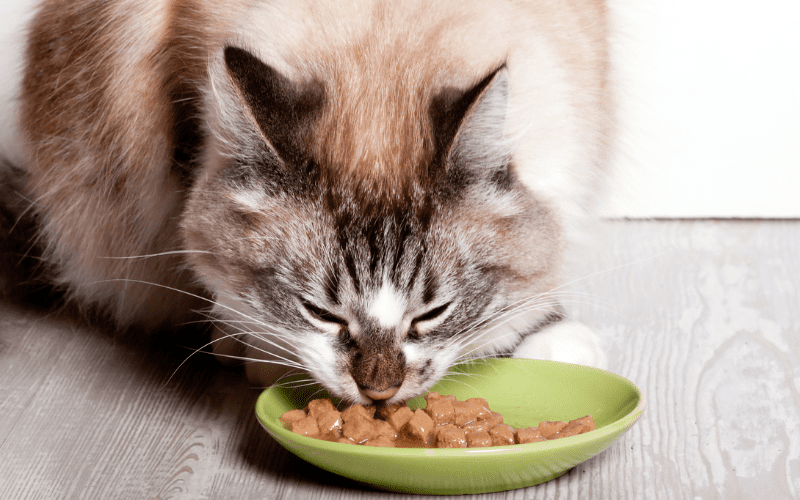
Today’s cat owners often treat their pets like family members.
This mindset influences purchasing decisions across all pet categories, especially nutrition.
Consumers increasingly look for:
- Real meat ingredients
- Visible meat chunks
- Grain-free recipes
- High-protein formulations
- Limited ingredient diets
- Functional nutrition
- Natural ingredients
Wet cat food naturally aligns with these preferences.
Products featuring real tuna, salmon, chicken breast, duck, or beef often communicate quality more effectively than traditional dry kibble.
Many consumers associate wet food with fresh, human-grade meals, making it easier for brands to position products as premium offerings.
Palatability Matters More Than Ever
Cats are notoriously selective eaters.
Even nutritionally complete products can fail if cats refuse to eat them.
Wet food typically delivers:
- Stronger aroma
- Richer flavor
- Better texture
- Enhanced palatability
This makes wet food particularly attractive for:
- Senior cats
- Picky eaters
- Recovering cats
- Indoor cats
- Multi-cat households
For retailers and distributors, products with higher palatability often generate stronger repeat purchase rates because consumers see immediate results.
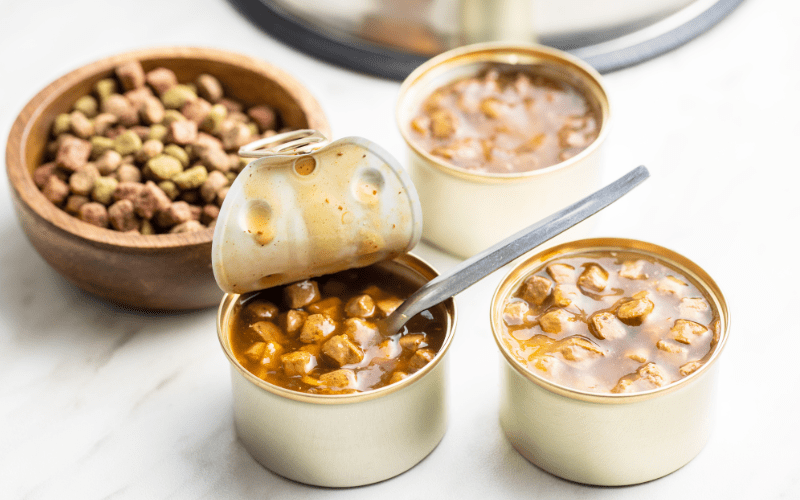
When a cat enthusiastically eats a product, owners are far more likely to purchase it again.
Functional Nutrition Is Creating New Opportunities
The wet cat food market is no longer limited to basic nutrition.
Today’s consumers increasingly seek functional benefits that address specific health concerns.
Popular functional claims include:
Digestive Support
Ingredients such as pumpkin, probiotics, prebiotics, and dietary fiber help support healthy digestion.
Skin and Coat Health
Omega-3 and Omega-6 fatty acids from fish oil support healthy skin and a shiny coat.
Immune Support
Functional ingredients like goat milk, vitamins, minerals, and antioxidants help support immune function.
Urinary Health
Hydration-focused recipes appeal to consumers concerned about urinary tract wellness.
Weight Management
Higher moisture content may help cats feel fuller while consuming fewer calories.
As demand for functional pet nutrition grows, wet food provides an ideal delivery format for these ingredients.
Premium Protein Sources Are Winning Consumer Attention
Protein quality has become a major purchase driver.
Consumers increasingly prefer recipes featuring recognizable animal proteins.
Popular ingredients include:
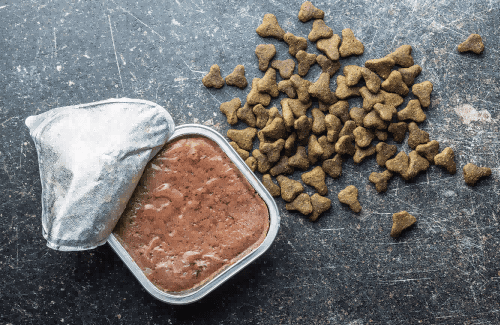
- Tuna
- Salmon
- Chicken
- Duck
- Turkey
- Lamb
- Shrimp
- Whitefish
Ocean fish recipes remain particularly popular because consumers associate them with:
- Omega-3 fatty acids
- High-quality protein
- Premium nutrition
- Natural ingredients
Products featuring visible meat fibers, shredded chicken, or chunky fish pieces often achieve stronger shelf appeal and higher conversion rates online.
Convenience Is Helping Wet Food Grow
Modern consumers value convenience.
Wet cat food offers several practical advantages:
- Ready-to-serve meals
- Portion-controlled packaging
- Minimal preparation
- Easy storage
- Less food waste
Popular packaging formats include:
Pouches
Lightweight, convenient, and increasingly popular in premium segments.
Cans
Long shelf life and strong consumer familiarity.
Cups and Trays
Ideal for single-serving meals and premium positioning.
These formats allow brands to target different customer preferences and price points.
E-Commerce Is Accelerating Demand
Online pet product sales continue to grow globally.
Platforms such as Amazon, Chewy, Lazada, Shopee, and regional pet marketplaces have expanded access to premium pet nutrition products.
Wet cat food performs particularly well online because:
- Customers reorder frequently
- Subscription models encourage repeat sales
- Premium products stand out visually
- Product reviews drive trust
For Amazon sellers and online retailers, premium wet cat food often generates higher average order values than traditional pet treats alone.
Many successful sellers now combine wet cat food with wholesale cat treats and complementary feeding products to increase basket size.
Private Label Wet Cat Food Is Growing Rapidly
One of the most important trends for wholesalers and distributors is the growth of private label pet food.
Retailers increasingly seek exclusive products that:
- Improve profit margins
- Differentiate their brand
- Build customer loyalty
- Reduce direct price competition
Private label wet cat food allows businesses to create:
- Custom recipes
- Unique packaging
- Premium positioning
- Regional flavor preferences
- Functional nutrition lines
As competition increases, exclusive product offerings become increasingly valuable.
What Buyers Should Look for in a Wet Cat Food Manufacturer
Choosing the right manufacturing partner is critical.
Before selecting a supplier, buyers should evaluate:
Food Safety Standards
Look for manufacturers with certifications such as:
- BRC
- IFS
- ISO 22000
- HACCP
R&D Capabilities
Strong research and development teams can help create innovative formulas that align with market trends.
Private Label Support
The best manufacturers provide:
- Formula customization
- Packaging design
- Label compliance
- Export documentation
Production Capacity
Reliable suppliers should be able to scale production as demand grows.
Export Experience
International buyers should ensure the manufacturer understands regional regulatory requirements and shipping logistics.
Why Wet Cat Food Will Continue Growing
Several long-term trends suggest continued growth:
- Rising global cat ownership
- Increased pet humanization
- Growing awareness of hydration benefits
- Demand for premium nutrition
- Functional ingredient innovation
- Expansion of e-commerce
- Growth of private label brands
These factors are creating sustained demand across both developed and emerging markets.
For wholesalers, distributors, retailers, and online sellers, wet cat food represents one of the strongest growth opportunities in the pet industry today.
Final Thoughts
Wet cat food is no longer a niche category. It has become a major growth driver in the global pet food market.
Consumers are actively seeking products that offer better hydration, superior palatability, premium ingredients, and functional health benefits. As a result, demand continues to increase across supermarkets, pet specialty stores, e-commerce platforms, and private label brands.
For businesses looking to expand their product portfolio, premium wet cat food alongside wholesale pet treats, wholesale dog treats, wholesale cat treats, and wholesale freeze dried dog treats offers significant growth potential.
Pack’n Pride helps global pet brands, distributors, and retailers develop premium pet nutrition solutions tailored to today’s market demands.
Visit https://packnpride.com to explore private label opportunities, request samples, and discover how premium pet products can help grow your business.