Wholesale Canned Cat Food
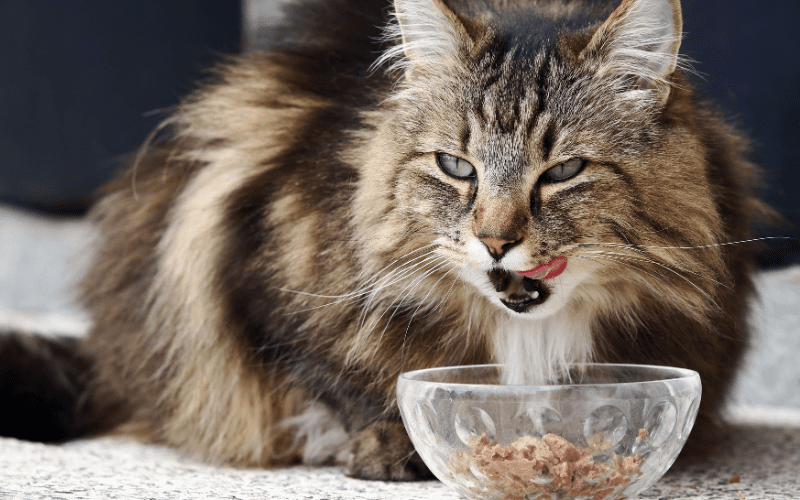
In today’s rapidly growing pet care market, canned cat food has moved from a niche product to a core category for retailers and distributors worldwide. Driven by rising consumer awareness of feline nutrition, hydration needs, and premium feeding trends, wholesale canned cat food is now a high-margin, high-demand segment—especially for Amazon sellers, supermarket chains, and specialized pet distributors.
For B2B buyers, the opportunity is clear: sourcing the right canned cat food supplier can unlock consistent sales, strong customer retention, and scalable private label growth. But success depends on understanding product quality, supply chain reliability, and market positioning.
This guide breaks down everything professional buyers need to know before entering or expanding in the wholesale canned cat food category.
Why Canned Cat Food Is a Fast-Growing Wholesale Segment
Canned cat food is not just another SKU—it’s a strategic category with strong consumer pull.
1. Increased Focus on Feline Hydration
Cats naturally have a low thirst drive. Wet food provides essential moisture, helping reduce risks of urinary tract issues. This makes canned food a preferred choice among informed pet owners.
2. Premiumization of Pet Diets
Consumers are increasingly willing to pay more for:
- High meat content
- Grain-free formulas
- Functional nutrition (hairball control, skin & coat, digestion)
This shift creates strong opportunities for premium wholesale cat treats and wet food combinations.
3. Subscription and Repeat Purchase Potential
Unlike dry food, canned cat food often drives:
- Higher consumption frequency
- Strong repeat purchase behavior
- Subscription-based eCommerce models
For Amazon and DTC sellers, this means predictable revenue streams.

Key Product Types in Wholesale Canned Cat Food
Understanding product segmentation helps buyers align with different market tiers.
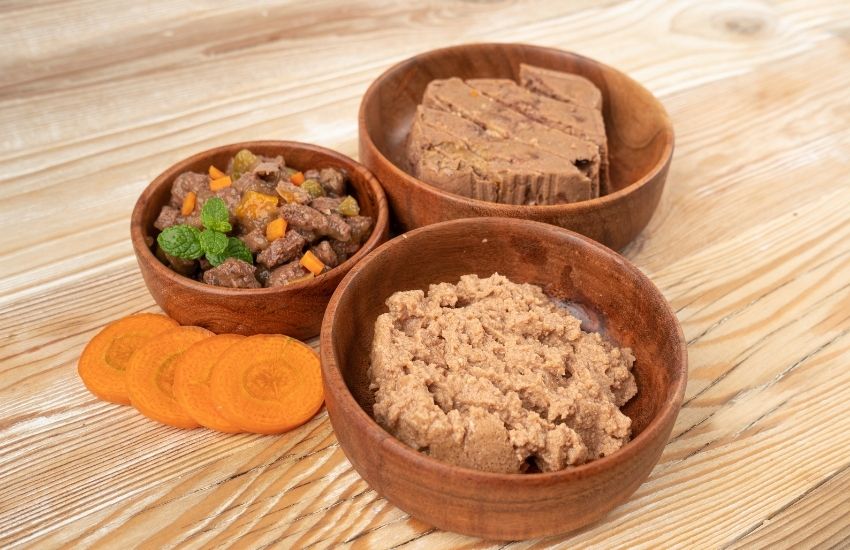
Standard Wet Cat Food
- Balanced daily nutrition
- Affordable price point
- High volume turnover
Premium & Functional Formulas
- Added vitamins, taurine, omega fatty acids
- Targeted health benefits
- Ideal for brand differentiation
Gourmet & High-Protein Recipes
- Real meat chunks (tuna, chicken, salmon)
- Human-grade positioning
- Appeals to premium retail channels
Complementary Feeding (Treat-Style Wet Food)
- Often used alongside wholesale cat treats
- Includes mousse, gravy toppers, and lickable treats
- Strong cross-selling potential with wholesale pet treats
What B2B Buyers Should Look for in a Supplier
Choosing the right manufacturer is the most critical decision in wholesale sourcing.
1. Certified Production Standards
Look for suppliers with internationally recognized certifications:
- BRC (British Retail Consortium)
- IFS (International Featured Standards)
- ISO / Food Safety System certifications
These ensure compliance with global retail requirements.
2. Ingredient Transparency and Testing
A reliable supplier should offer:
- Full ingredient traceability
- Third-party lab testing (SGS, Intertek, etc.)
- Clear nutritional analysis
This is especially important for large supermarkets and regulated markets like the EU and UK.
3. OEM & Private Label Capabilities
Private label is where margins expand.
Strong suppliers provide:
- Custom formulations
- Flexible packaging (cans, pouches, trays)
- Branding and design support
This is essential for building differentiated product lines alongside wholesale dog treats and other SKUs.
4. Scalable Production Capacity
For growing distributors, consistency matters:
- Stable lead times (typically 15–30 days)
- Bulk production capability
- Reliable export experience
Market Trends Shaping Wholesale Demand
Grain-Free and Natural Formulations
Buyers are prioritizing clean-label products with:
- No artificial additives
- High animal protein content
- Limited ingredient lists
Functional Nutrition Integration
Canned cat food is evolving into a functional category:
- Immune support
- Digestive health
- Skin & coat improvement
Mixed Feeding Strategies
Retailers are increasingly bundling:
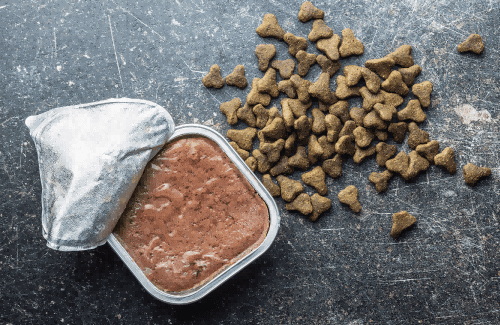
- Canned food + dry kibble
- Wet food + wholesale freeze dried dog treats (for multi-pet households)
This increases basket size and customer lifetime value.
Sustainable Packaging
Eco-conscious buyers are favoring:
- Recyclable cans
- Reduced packaging waste
- Transparent sourcing practices
Private Label Opportunities in Canned Cat Food
Private label canned cat food is one of the most profitable expansion paths for distributors.
Why It Works:
- Higher margins than reselling branded products
- Full control over pricing and positioning
- Ability to build brand loyalty
Ideal Channels:
- Amazon FBA
- Regional supermarket chains
- Specialty pet stores
- Online subscription brands
A well-developed private label line can easily integrate with:
- Wholesale pet treats
- Wholesale cat treats
- Functional pet nutrition products

Pricing Factors in Wholesale Canned Cat Food
Understanding pricing structure helps buyers negotiate effectively.
Key factors include:
- Meat content and ingredient quality
- Can size (typically 70g–400g)
- Packaging type and customization
- Order volume (MOQ)
- Export destination and compliance requirements
Generally, higher protein and premium recipes command stronger retail margins.
Logistics and Supply Chain Considerations
For international buyers, logistics can make or break profitability.
Key Points:
- Shelf life typically ranges from 24–36 months
- Requires proper container loading to avoid denting
- Label compliance must match destination regulations
- Shipping options: LCL (small orders) vs FCL (bulk orders)
Experienced exporters simplify this process significantly.
How to Choose the Right Wholesale Partner
Before finalizing a supplier, B2B buyers should evaluate:
- Product quality consistency
- Certification and compliance
- Customization flexibility
- Communication efficiency
- Proven export experience
Working with an established manufacturer like Pack’n Pride ensures:
- Stable supply chain
- High-quality formulations
- OEM/ODM flexibility
- Competitive pricing for global markets
Explore more product solutions here:
👉 https://packnpride.com/
Final Thoughts
Wholesale canned cat food is no longer just a complementary category—it’s a core driver of growth for modern pet businesses. With increasing demand for premium nutrition, functional ingredients, and convenient feeding options, this segment offers strong long-term potential.
For distributors, retailers, and eCommerce sellers, the winning strategy is clear:
- Partner with certified manufacturers
- Invest in private label development
- Build a diversified product portfolio including wholesale pet treats, wholesale dog treats, and wholesale freeze dried dog treats
Those who move early and strategically will secure a competitive edge in one of the fastest-growing segments of the global pet food industry.