Cat Food Cans Bulk
As the global pet food industry continues to thrive, canned cat food remains one of the most in-demand products on the shelves. For retailers, resellers, and even shelters or breeders, buying cat food cans in bulk isn’t just a cost-saving strategy—it’s a business essential.
But with so many varieties, suppliers, and considerations in the market, how do you make the right purchasing decisions? This blog explores everything you need to know about bulk canned cat food—from choosing the right products to storage tips and sourcing suppliers efficiently.
Why Canned Cat Food is a Best-Seller
Canned (wet) cat food offers key benefits that make it a favorite for pet owners and a repeat-purchase item for retailers:

- Hydration Boost: Cats are notoriously low water drinkers. Wet food provides the extra moisture they need to support urinary health.
- Palatability: Canned food is generally more aromatic and flavorful than dry food, especially for picky eaters.
- Nutritional Density: High-quality canned foods often contain more meat and fewer fillers, appealing to health-conscious consumers.
- Variety: From pate to gravy, seafood to chicken, the variety in wet food formats makes it easy for owners to offer diverse meals.
With this level of demand and repeat consumption, stocking bulk cat food cans can dramatically boost a retailer’s bottom line.
Who Should Consider Buying Cat Food Cans in Bulk?
Bulk canned cat food isn’t just for big-box retailers. Several types of buyers can benefit:
1. Online and Brick-and-Mortar Pet Retailers
Bulk purchasing means lower unit costs and a higher profit margin when resold at retail price.
2. Animal Shelters and Rescue Centers
Feeding dozens (or hundreds) of cats daily requires efficiency and budget management. Bulk buying ensures consistency and supply.
3. Veterinary Clinics and Boarding Facilities
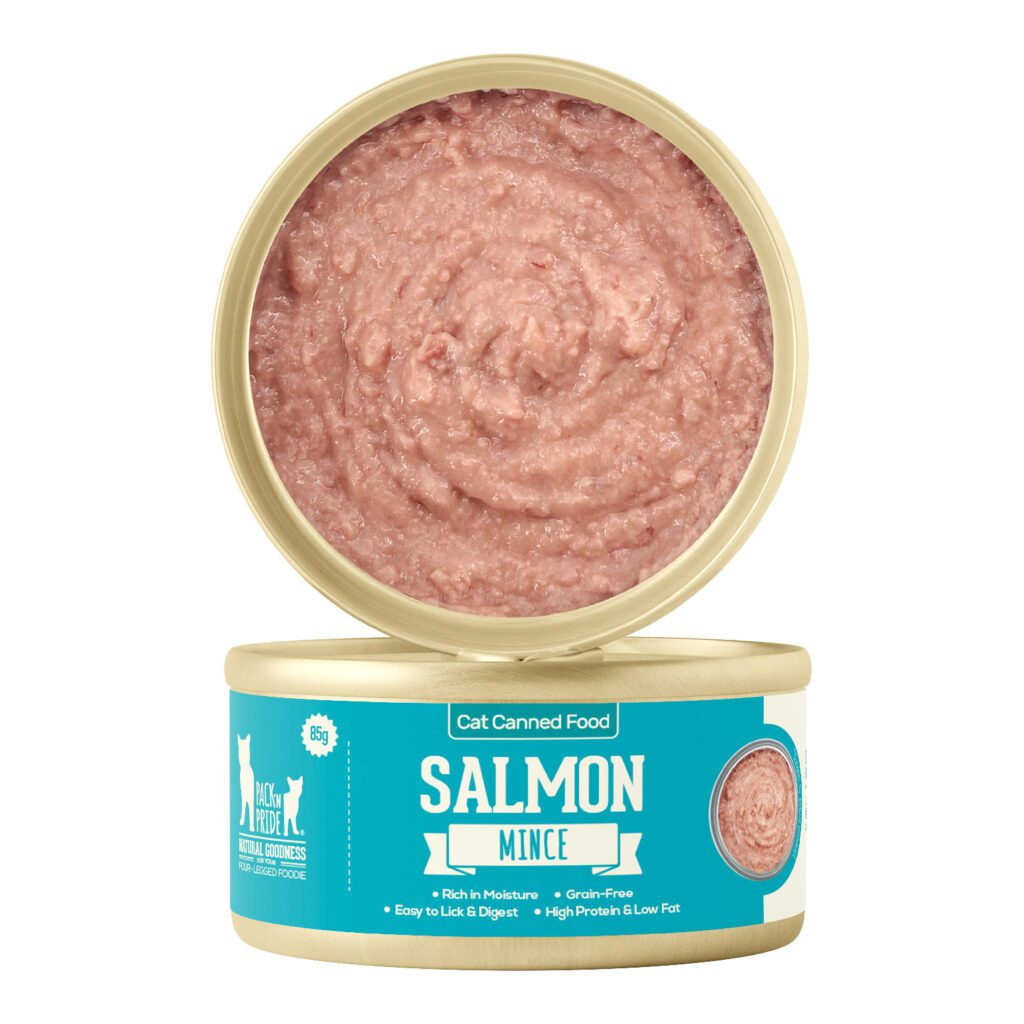
For cats with specific dietary needs or medical conditions, stocking specialty wet foods in bulk helps ensure availability.
4. Cat Breeders
Young kittens and breeding adults often require wet food for optimal health. Breeders can save by buying in larger quantities directly from suppliers.
Key Considerations When Buying Canned Cat Food in Bulk
Whether you’re sourcing from a domestic wholesaler or an overseas manufacturer, it’s essential to evaluate the following:
✅ 1. Nutritional Value
Look for products labeled “complete and balanced” by organizations like AAFCO. Pay attention to protein content, taurine levels, and the presence of any artificial ingredients.
✅ 2. Packaging and Shelf Life
Check expiry dates and can integrity. Most canned foods have a shelf life of 1.5 to 3 years. Make sure the packaging is dent-free and properly sealed.
✅ 3. Ingredient Transparency
Avoid foods with vague labels like “meat by-products” or “animal derivatives.” Ingredient clarity is key to consumer trust.
✅ 4. Grain-Free and Allergen-Friendly Options
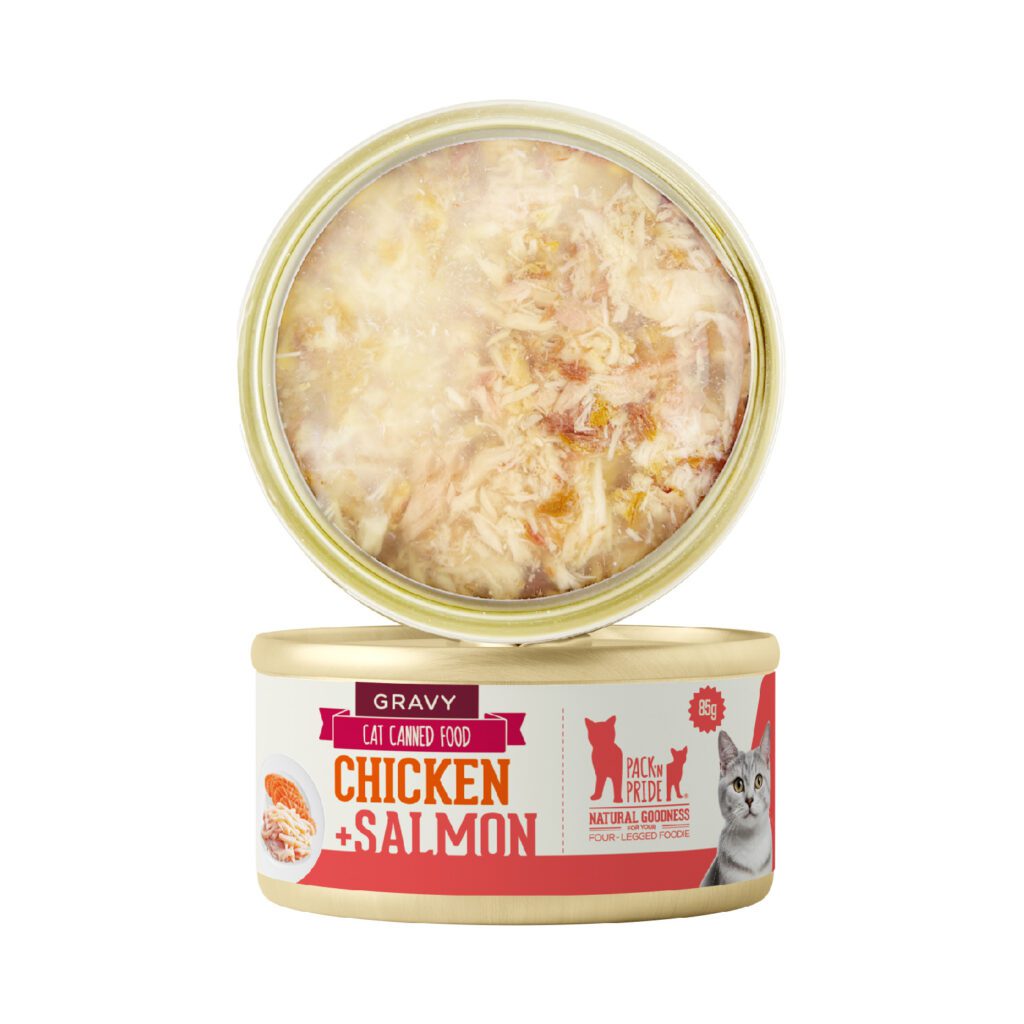
Many cat owners now seek grain-free, limited ingredient, or hypoallergenic formulas. Make sure your bulk order includes these trending SKUs.
✅ 5. Can Size and Portioning
Common can sizes include:
- 3 oz (single meal for one cat)
- 5.5 oz (small multi-cat families)
- 12 oz or more (economy cans or multi-cat feeding)
Knowing your target customers will help you select the right mix.
Pros and Cons of Importing vs. Domestic Bulk Orders
| Factor | Domestic Supplier | Overseas Supplier |
|---|---|---|
| Lead Time | Faster (1–2 weeks) | Slower (4–8 weeks) |
| MOQ (Minimum Order Quantity) | Lower | Higher |
| Cost per Unit | Higher | Lower |
| Shipping | Easier and cheaper | Complex, expensive |
| Regulatory Compliance | Already certified | May require testing/import paperwork |
If you’re sourcing internationally (e.g., from China or Thailand), factor in import duties, label compliance for your market (e.g., FDA in the US), and shipping costs before placing large orders.
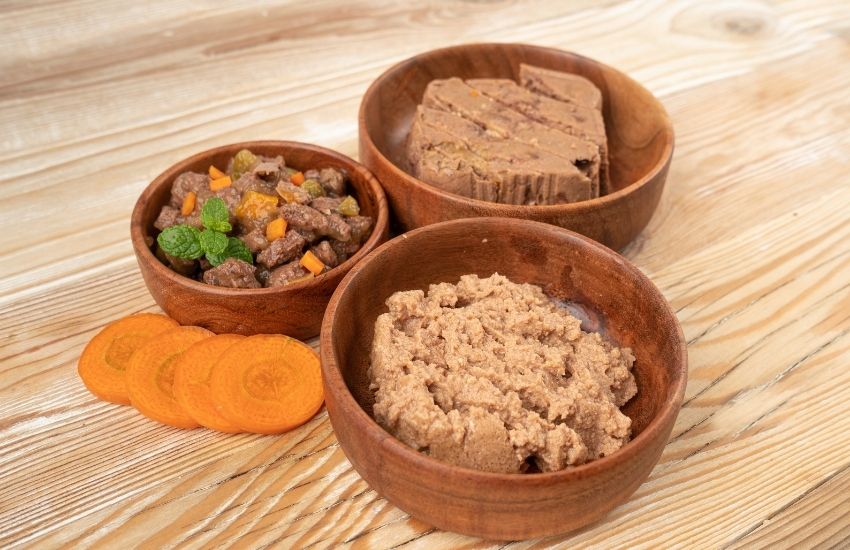
Storage Tips for Bulk Cat Food Cans
Once your bulk order arrives, proper storage is essential to preserve quality and shelf life:
- Store in a cool, dry place, away from direct sunlight.
- Use racks or pallets to avoid direct contact with floors and prevent moisture damage.
- Apply FIFO (First In, First Out) inventory rotation to use older stock first.
- For opened cans, refrigerate and use within 2–3 days.
How to Find a Reliable Bulk Cat Food Supplier
💼 1. Use Trusted B2B Marketplaces
Websites like Alibaba, Global Sources, and PetIndustry.com list vetted suppliers with MOQs and certifications.
💼 2. Attend Pet Trade Shows
Events like Interzoo, Global Pet Expo, or CIPS (China International Pet Show) are great for networking with manufacturers face-to-face.
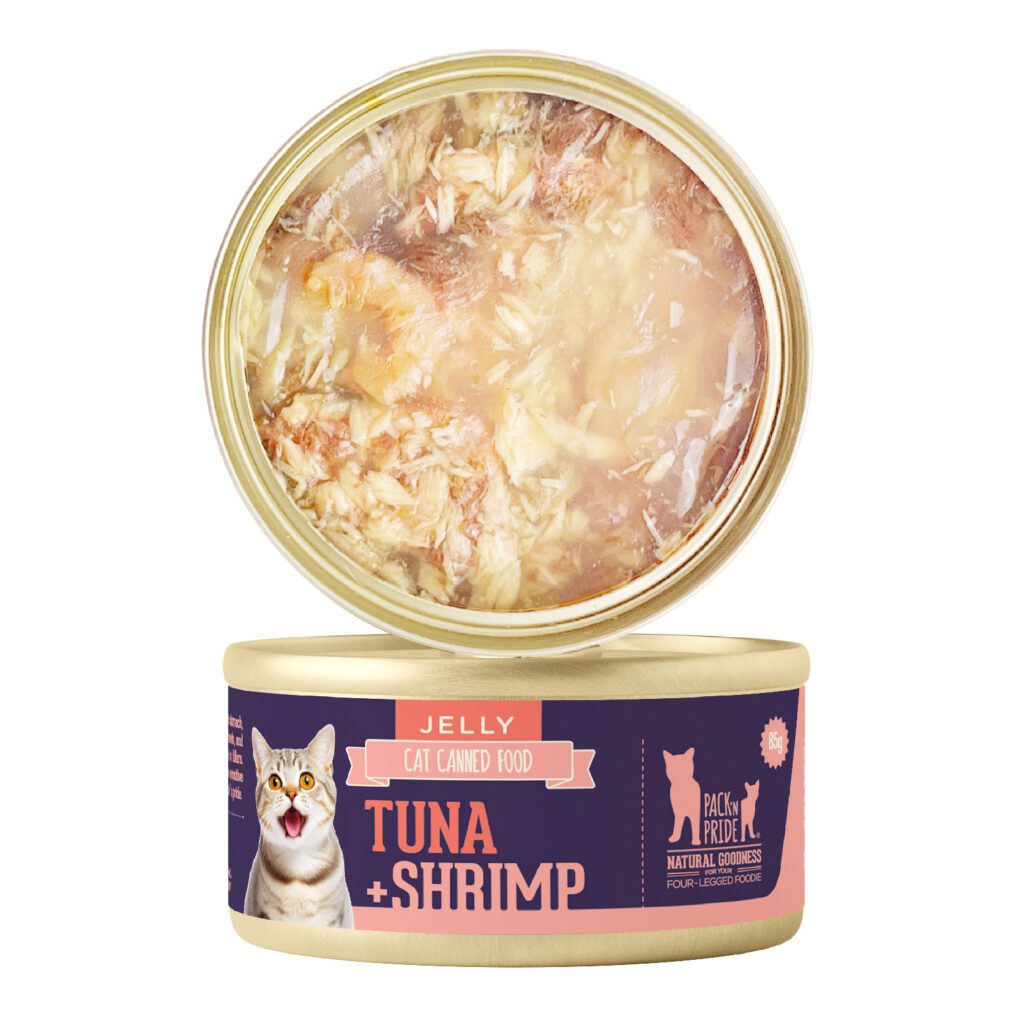
💼 3. Request Samples
Before placing a large order, always request samples to check quality, packaging, and palatability (yes, even pets can be taste testers!).
💼 4. Check Certifications
Ensure the supplier has certifications such as:
- ISO 9001 (Quality Management)
- BRC (Food Safety)
- FDA or EU registration (depending on your region)
💼 5. Negotiate Customization
Many OEM suppliers allow customization—your own brand label, flavor profile, or packaging design. This is ideal for building a private label cat food line.
Final Thoughts: Bulk Buying is a Strategic Advantage
Whether you run a pet store, supply chain business, or animal shelter, buying canned cat food in bulk makes both economic and operational sense. It allows you to serve customers more efficiently, reduce costs, and potentially scale up your offerings with branded or private-label options.
By paying close attention to quality, sourcing, and storage, you ensure that your bulk order isn’t just cost-effective—it’s a strategic business decision.