Why Consumers Prefer Limited Ingredient Dog Treats
Limited ingredient dog treats appeal to dog owners because a short ingredient list makes it easier to see what’s in the pouch and compare recipes. If you’re choosing between two treats at the pet shop, you can check whether each uses ingredients your dog already eats, then look for pieces that suit the way you reward them.
Ingredients matter to shoppers in the food aisle too. In an online survey of 520 UK dog and cat owners, around two thirds of responses to a question about choosing pet food cited ingredients as an important factor. Read the UK pet feeding study.
What are limited ingredient dog treats?
The term describes dog treats made with a short ingredient list, often based on a clearly named ingredient such as chicken, duck or fish. The number of ingredients can vary from one recipe to the next. You might also see terms such as single-ingredient and single animal protein when you shop. Each tells you something different about the recipe.

| Term | What it describes | Example recipe |
|---|---|---|
| Limited ingredient | A recipe with relatively few ingredients | Chicken, sweet potato and oats |
| Single-ingredient | A recipe made with one ingredient | Chicken breast only |
| Single animal protein | A recipe whose animal protein comes from one species | Chicken breast, chicken liver and sweet potato |
Why dog owners choose simpler treat recipes
It’s easier to compare two pouches
Two treats can both picture chicken on the front and have different recipes inside. One may be made from chicken breast alone. Another might use chicken with other meats or ingredients that give the treat a softer texture. If you already know what you’re looking for, a short, clearly written list saves time when you’re standing in the shop or comparing a few products online.
Keeping track of rewards is simpler
A training class, a lunchtime walk and a reward from someone else in the household can add up to several extras in a day. If everyone uses the same familiar reward, it’s easier to keep track of which treats your dog has had and how often. When you introduce a new treat, try one recipe at a time so you can see if your dog actually enjoys it before buying a bigger bag.
Familiar ingredients come in different formats
Once you know your dog likes a particular flavour, look for a format that fits how you give rewards. Small bites are easy to hand out one at a time during recall practice. A fillet you can divide into suitable pieces can work well for an occasional reward at home. If you’re shopping online, check for a picture or description of the individual pieces so you can judge how easy they’ll be to portion.
How to read a dog treat label in the UK
Start with the section marked Composition. Ingredients appear in order of weight, with the largest amounts listed first. Some labels name individual ingredients and others use categories such as ‘meat and animal derivatives’. If you need to know the exact source of an ingredient listed under a broad category, ask the brand for the details. See UK Pet Food’s labelling guide.
- Check the whole label. Read past the first ingredient and look at any separate additives section. When you’re buying online, check that the ingredients shown apply to the exact flavour and pack you’re ordering.
- Read the feeding and storage directions. Check the suggested portions for your dog’s size and how the pouch should be stored after opening. A smaller pack can make sense if you only give that treat occasionally.
- Compare the price per 100 g. A £4 pouch weighing 80 g costs £5 per 100 g. A £5 pouch weighing 120 g costs about £4.17 per 100 g. For training, also think about how many usable rewards you get from each bag, especially if you plan to divide larger pieces.
What two Pack’n Pride freeze-dried treat labels can tell you
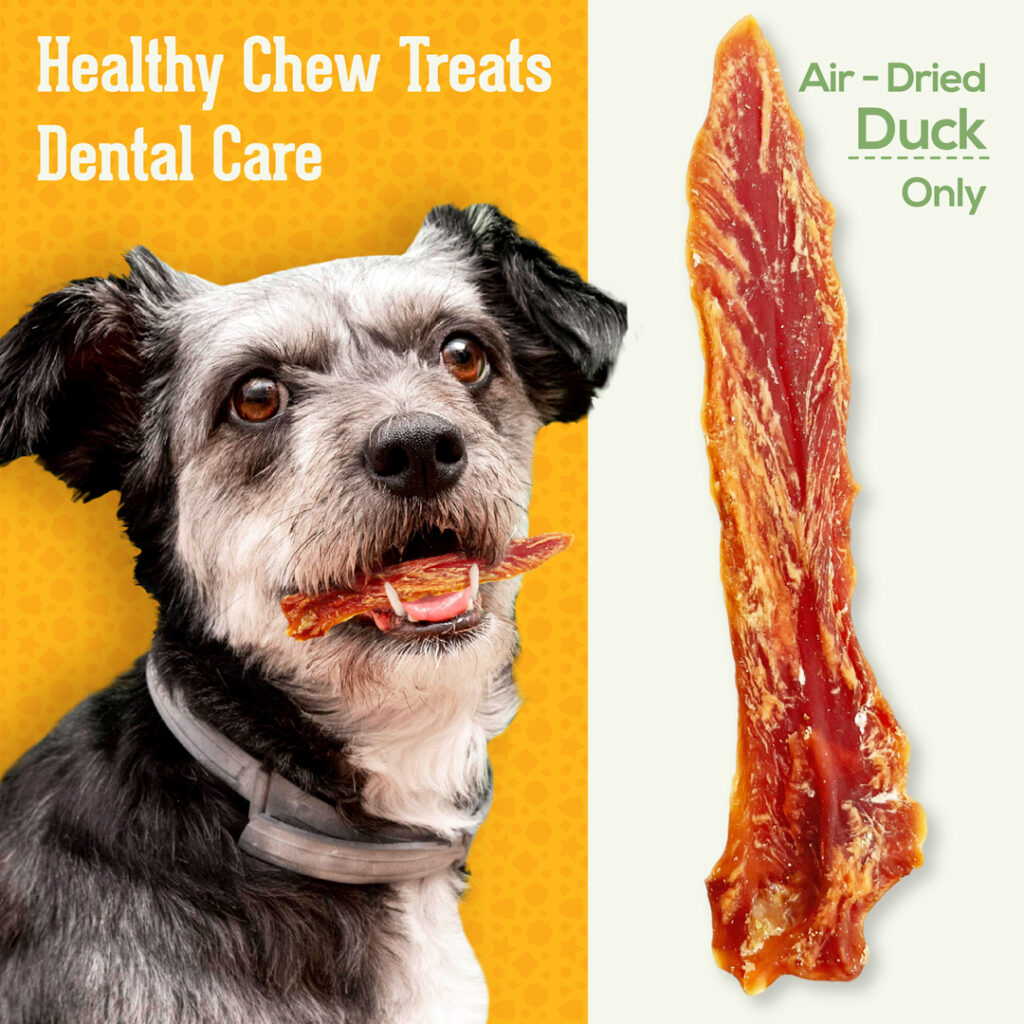
Freeze-dried describes how a treat is made. The recipe is listed separately. Our Chick Chick Hooray Fillet lists chicken breast fillet first. Our Get Ducky Fillet lists duck breast fillet first and also includes chicken liver. That’s the sort of detail you can pick up by reading past the first ingredient, especially when you’re comparing flavours. View Chick Chick Hooray Fillet. View Get Ducky Fillet.
If you’re trying to decide between smaller pieces and fillets you can portion at home, you can see both formats in the Pack’n Pride freeze-dried dog treat range.
Frequently asked questions
Are limited ingredient dog treats grain-free?
A short recipe can include a grain such as oats. If you’re specifically shopping for a grain-free treat, check the pack for that claim and review the composition for the flavour you plan to buy.
Are limited ingredient dog treats suitable for dogs with food allergies?
Suitability depends on which ingredients your dog needs to avoid. Ask your vet which treats fit your dog’s diet. If your vet has put your dog on a food trial, stick to the agreed diet and ask what you can use for rewards during the trial. Read PDSA’s guide to food trials.
How many dog treats can I give in a day?
Start with the feeding guide and count the treats everyone in the household gives. The World Small Animal Veterinary Association recommends keeping treats below 10% of a dog’s daily calories. If you’re handing out several rewards during a training session, check the calories per piece where available and use them to plan portions. See WSAVA’s guide to feeding treats.

For pet shops and distributors
Give shoppers the information they’d look for if they turned the pouch over in your shop. Put the full composition on your product page, show the size of the pieces and explain when customers might use them. In store, a shelf note saying ‘small rewards for training’ can help customers decide between two flavours or formats.
If you’re sourcing dog treats for a shop or distribution range, share your market, preferred formats and pack sizes with us. We can discuss current product specifications and sample availability. Contact Pack’n Pride about wholesale dog treats.