
Pet Treat Shelf Life and Stock Rotation for Wholesale Buyers
A wholesale pet treat order can look attractive on price and still leave a distributor with too little time to sell the stock. Production dates, transport, retailer acceptance rules and sales speed all affect the order you can realistically handle.
Pet treat shelf life should therefore be part of the purchasing discussion before quantities are agreed. Ask how much shelf life remains when goods reach your warehouse, and how much your customers require when they receive their orders.
This guide explains how retailers and distributors can connect those dates with storage, stock rotation and replenishment when buying branded pet treats.
In this article
- Define the shelf life requirement at receipt
- Calculate the time available for wholesale selling
- Review each treat category separately
- Make receipt a documented stock decision
- Rotate stock by the earliest applicable date
- Size the first order around a credible sales forecast
- Plan replenishment with the full delivery period
- Give retailers the information they need to store and sell the range
- Frequently asked questions
- Plan a branded pet treat assortment with Pack’n Pride
Define the shelf life requirement at receipt
A stated shelf life and the time remaining at delivery are different purchasing terms. Confirm the date from which the supplier calculates the shelf life and the conditions under which it applies.
Then agree a minimum remaining period at the receiving point named in your order. Specify whether that point is the port, your warehouse or another delivery location. A promise measured at factory dispatch may leave an importer with a different result after transit and clearance.
Check your retailers’ requirements before making this commitment. If a retailer requires a minimum remaining period on delivery, your own warehouse target needs to leave enough time for storage, order processing and onward transport.
Record the agreed requirement in the order confirmation so that both teams can check the same condition.
Calculate the time available for wholesale selling
Use a simple planning calculation to connect the dates with the commercial decision.
Time available for distributor selling = remaining shelf life at warehouse receipt – retailer minimum at delivery – onward delivery time – planning buffer.
Suppose, purely as an example, that a shipment arrives with 15 months remaining. A retailer requires nine months remaining, and the distributor allows one month for onward delivery and a further month as a buffer. The distributor has four months to sell and dispatch that stock to this retailer.
Those example figures are not Pack’n Pride product specifications or standard trade terms. Replace them with the confirmed dates and requirements for your own shipment. Use dated records for actual order decisions, since calendar months vary in length.

Review each treat category separately
Do not assign one storage or shelf life assumption to an entire assortment. Ask for the confirmed specification and handling instructions for each product and pack format.
| Product category | Questions to confirm before ordering | Receiving checks to agree |
|---|---|---|
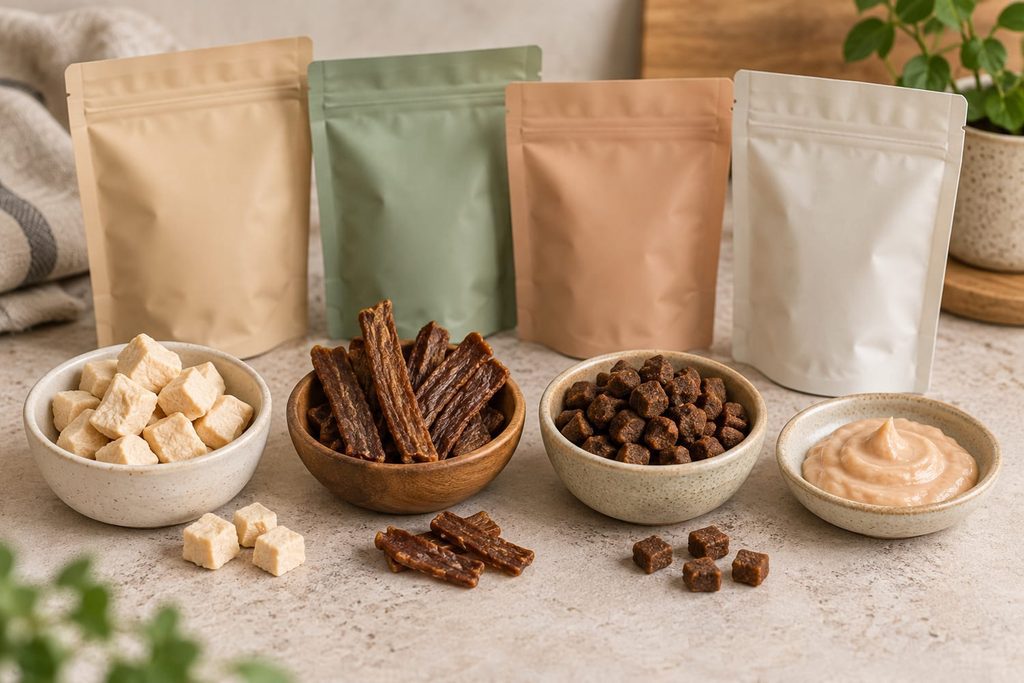
| Freeze-dried treats | Packaging requirements, texture expectations and acceptable broken pieces | Sealed packs, lot codes and agreed product condition |
| Jerky and meat snacks | Intended texture, pack format and storage instructions | Pack integrity and conformity with the approved specification |
| Soft training rewards | Expected softness, piece size and instructions after opening | Correct product, intact packaging and legible dates |
| Cat cream and wet snacks | Unopened storage conditions and directions after opening | Intact individual units, readable coding and signs of leakage |
The U.S. FDA’s pet food storage guidance recommends cool, dry storage for dry pet food and unopened canned food, and retaining identifying pack information. Use the manufacturer’s specific conditions to plan the warehouse and provide the appropriate instructions to retailers.
Treat instructions for an unopened retail pack and instructions after opening as separate information. A shelf life statement for a sealed product should not become an unsupported promise about a partly used bag.
Make receipt a documented stock decision
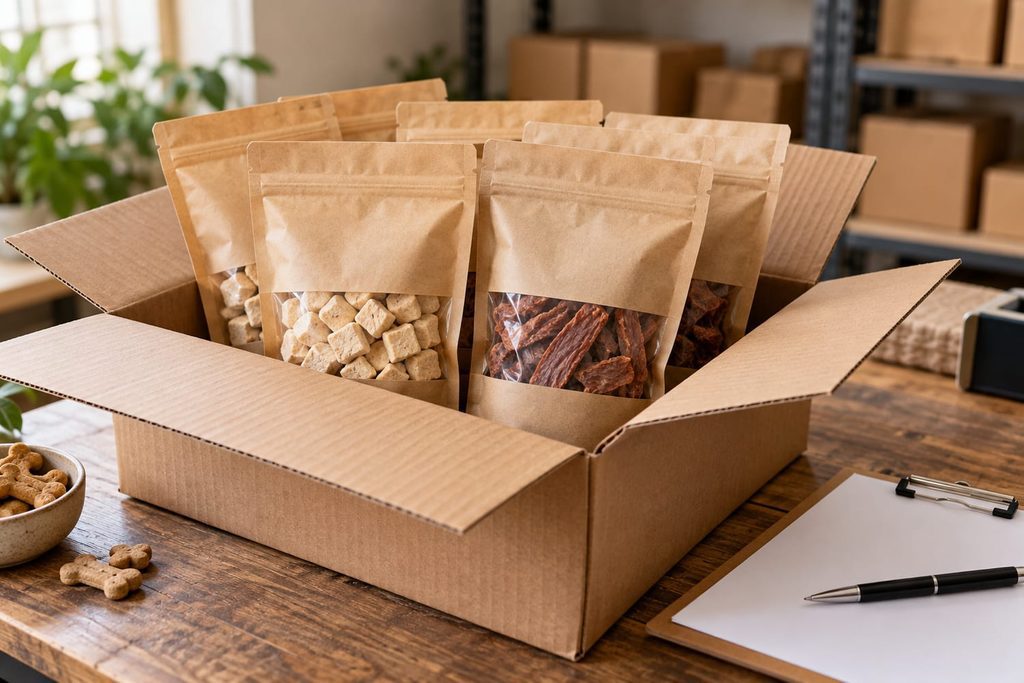
Before the shipment arrives, give receiving staff a checklist that matches the purchase order. Include the product name, unit size, carton quantity, lot identification and minimum remaining shelf life.
Ask staff to record damaged cartons and affected unit counts while the shipment can still be identified. Photographs of relevant defects, date codes and shipping labels can help the supplier investigate a discrepancy.
Agree who can release stock and how to separate items awaiting review. Put the receiving information into your inventory system before units move into normal picking locations. Otherwise, a clear date code on the pack may never become usable stock data.
Where customers impose their own receipt requirements, record those rules against the relevant account or sales channel. Staff should be able to identify which lots are eligible for an order before picking begins.
Rotate stock by the earliest applicable date
First expired, first out, often shortened to FEFO, prioritizes eligible stock with the earliest applicable date. This is useful when a later delivery contains a lot with an earlier date than stock already held.
Use the exact date terminology and release rules agreed for the product. Keep receipt date as a separate field so that teams can investigate both stock age and delivery history.
A practical inventory record should include:
- Product and pack size
- Supplier lot or batch identification
- Date code and the meaning of that date
- Quantity and warehouse location
- Receipt date and release status
- Customer or channel restrictions that affect allocation
Review short-dated stock before it becomes ineligible for your main customers. Any clearance or alternative allocation should follow the applicable product, supplier and customer requirements.

Size the first order around a credible sales forecast
An introductory order should test how the assortment sells in your actual channels. Use a conservative forecast when the brand or product category is new to your business.
For example, a trial allocation of 600 packs with an expected sales rate of 150 packs per month represents four months of stock. If the calculated wholesale selling period is only three months, review the quantity or allocation before ordering. This is an inventory example rather than a sales forecast for a particular product.
Evaluate each SKU separately. A fast-moving chicken training reward does not establish demand for every protein or pack size in the range.
Ask about current order conditions and available assortment options before building a mixed order. Avoid assuming that every product can be combined at the same minimum quantity or supplied on the same schedule.
Plan replenishment with the full delivery period
Replenishment planning should include the time between placing the order and having released stock available for sale. Confirm which stages the supplier’s quoted lead time covers.
Review actual sales and the dates of inventory already on hand before reordering. A reorder that prevents a stockout can still create excess stock if the forecast ignores slow-moving lots or incoming shipments.
Set a regular review of sales by SKU, remaining stock and upcoming receipt dates. Adjust the order size when the evidence changes. A distributor with several outlets should also check whether transfers between locations can meet demand within the agreed handling and date requirements.

Give retailers the information they need to store and sell the range
Provide product-specific storage instructions, pack images and relevant date-code guidance when introducing the assortment. Make it clear how retailers should report a damaged pack or product concern and what identifying information to retain.
Use approved brand materials for listings and staff training. Avoid extending the supplier’s shelf life statement, changing storage advice or adding claims that are absent from the agreed product information.
Retail feedback can then help the distributor refine the assortment. Record whether a slow seller has a product-fit problem, a display issue or simply too much stock allocated to that outlet.
Frequently asked questions
How long do pet treats last
Use the shelf life confirmed for the specific product, packaging and storage conditions. Request the relevant information before ordering instead of applying a general number to all pet treats.
Should the purchase order state remaining shelf life
Yes. Agree the minimum remaining period and the delivery point where it will be checked. Make sure the term supports your own retailer commitments.
Is the oldest delivery always the first stock to ship
Check the applicable date and customer eligibility for each lot. Receipt order alone may be insufficient when different deliveries contain different date codes.
What should distributors send with a wholesale inquiry
Include the destination country, business details, sales channels, product interests and expected order size. Explain your receipt requirements and the dates your retail customers need.
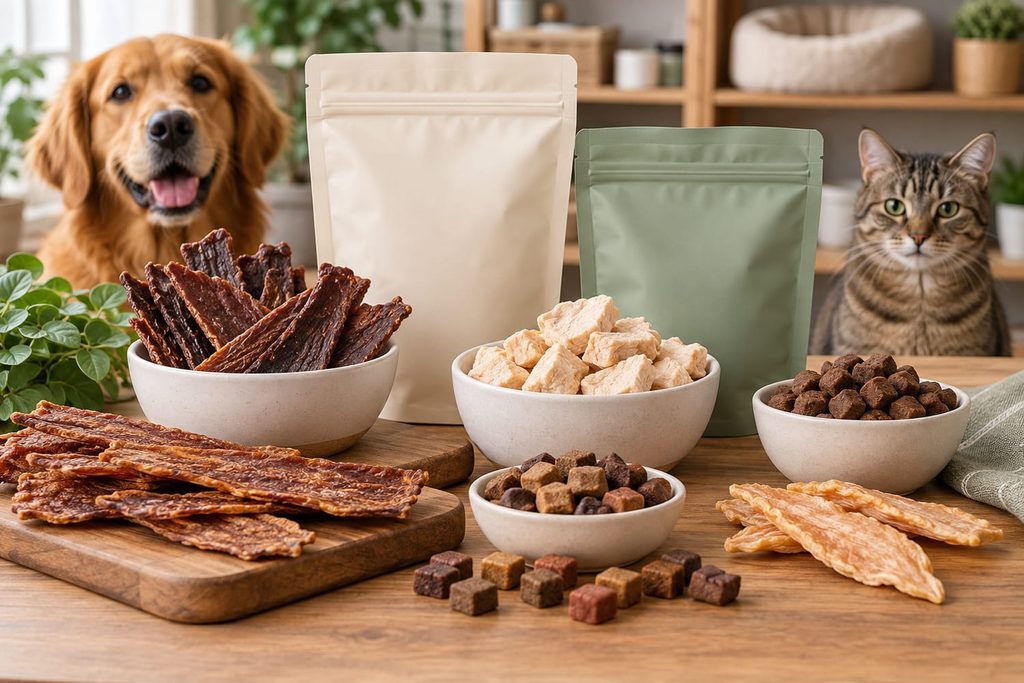
Plan a branded pet treat assortment with Pack’n Pride
Explore Pack’n Pride’s training rewards and freeze-dried treats when evaluating a range for your retail or distribution business.
Contact Pack’n Pride with your market, sales channels and product interests. Request current product information, confirmed shelf life and storage conditions, case details and wholesale terms. These details will help you plan an order that fits both your customers and the time available to sell it.