
Pet Treat Market in Germany 2026
Introduction: Why Germany Matters for Global Pet Treat Buyers
Germany is one of Europe’s most mature and stable pet food markets. With strong purchasing power, a culture that prioritises pet health, and an increasingly digital retail landscape, Germany continues to drive innovation and volume growth in the pet treat sector.
For wholesalers, retailers, private-label buyers and distributors, understanding 2026 market conditions—and the forecast to 2032—provides a strategic advantage for planning inventory, pricing, packaging, and category portfolios.
This deep dive merges real-time market data, growth projections, and category insights to equip you with everything you need to prepare for Germany’s next wave of demand.

1. Market Snapshot: Germany Pet Treats in 2026
A Market Entering a Premiumization Era
Germany’s pet snack and treats market has been expanding steadily over the last decade. According to Grand View Research, Germany’s pet snacks & treats market reached USD 1.46 billion in 2024 and is projected to nearly double by 2030 with an impressive 11.7% CAGR.
By 2026, the market is forecast to surpass USD 1.82 billion, making Germany one of the fastest-growing European markets for value-added pet treats.
2. What German Buyers Want in 2026
A. Premium Ingredients and Transparent Labels
German consumers remain highly ingredient-conscious. Clean labels, traceability, and visible quality cues—such as real meat, limited ingredients, and additive-free formulations—continue to dominate purchasing decisions.
B. Functional Treats Surge
Germany’s ageing pet population and rising wellness culture are pushing demand for treats targeting:
- Joint health
- Digestive balance
- Skin & coat vitality
- Dental care
- Stress relief / calming support

Functional treats now blend supplement benefits with snack appeal—fueling strong “premium-functional” category growth.
C. Freeze-Dried Gains Popularity
Freeze-dried proteins remain a niche segment, but demand increases each year due to higher nutrition density and clean-label positioning. Germany’s freeze-dried dog food market is valued at USD 115.1M in 2024 and expected to grow at 5.5% CAGR through 2030.
D. E-Commerce Expansion
While German e-commerce growth slowed slightly in 2024, pet food continued to benefit from stable online adoption patterns. Repeat purchases, subscriptions, and multi-pack SKUs help online channels grow steadily.
3. Market Structure: Category Breakdown in 2026
To help wholesalers and buyers plan their category portfolios, here is the baseline category (SKU) split for 2026 within the treats market:
| Category | Share | Drivers |
|---|---|---|
| Chewables & Chews | 35% | Long-lasting value, premium upgrades, natural chew demand |
| Training Treats | 25% | High velocity, ecommerce-friendly, repeat purchases |
| Dental Treats | 12% | Preventive care focus, vet recommendations |
| Freeze-Dried Treats | 10% | Premiumization, natural and protein-rich |
| Natural & Functional Treats | 12% | Clean-label wellness categories |
| Other Treats (cookies, biscuits) | 6% | Price-sensitive retail segments |
This segmentation will become more important as buyers align their 2026–2030 assortments with the expected growth curve.
4. Forecast 2026–2032: Market Growth & SKU-Level Insights
Using Grand View Research’s official projections, the German pet treat market is expected to grow from USD 1,820.6M in 2026 to USD 3,124.7M by 2032.
A. Total Market Projection (USD Millions)
| Year | Total Value |
|---|---|
| 2026 | 1,820.6M |
| 2027 | 2,033.6M |
| 2028 | 2,271.6M |
| 2029 | 2,537.4M |
| 2030 | 2,834.2M |
| 2031 | 2,975.9M |
| 2032 | 3,124.7M |
Growth remains robust until 2030, then stabilizes into a healthy +5% annual growth.
B. Freeze-Dried Treat Forecast (Reference Series)
(CAGR 5.5% through 2030; conservative 4% tail after 2030)
| Year | Value (USD M) |
|---|---|
| 2026 | 128.1 |
| 2027 | 135.2 |
| 2028 | 142.6 |
| 2029 | 150.4 |
| 2030 | 158.7 |
| 2031 | 165.1 |
| 2032 | 171.7 |
Premium protein treats maintain a stable, upward curve.
C. SKU-Level Revenue Forecast (2026 Snapshot)
Reflecting the category distribution above:
| Category | 2026 Revenue (USD M) |
|---|---|
| Chewables | 636.2 |
| Training Treats | 455.2 |
| Dental Treats | 218.5 |
| Freeze-Dried Treats | 182.1 |
| Natural & Functional | 218.5 |
| Others | 109.2 |
Even though freeze-dried appears smaller, its high ASP and premium margins make it strategically valuable for wholesalers.
5. Strategic Insights for Wholesalers, Distributors & Retailers
A. Offer Multi-Tier Assortments
To navigate a diverse buyer landscape, maintain:
- A budget line for discounter channels
- A mainstream line for supermarkets
- A premium tier for urban pet stores & e-commerce
This tiered approach ensures coverage across Germany’s varied purchasing power.
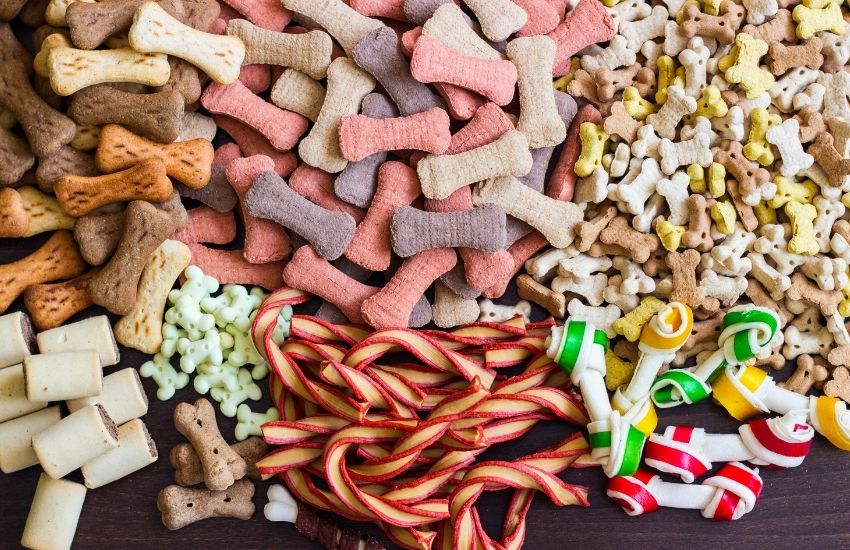
B. Balance Volume & Margin with SKU Portfolio
- Training treats drive high order frequency.
- Freeze-dried and functional treats drive higher margins.
- Chews drive cart size and physical store visibility.
Use a “volume + margin” hybrid model for stable revenue flow.
C. Private Label is Growing
Large German retailers—especially discounters—continue to increase their house-brand pet ranges.
OEM/ODM opportunities for:
- Freeze-dried single-ingredient snacks
- Natural functional treats
- Chew sticks / meaty bars
- Soft training bites
are expected to expand through 2030.
D. Packaging Matters in Germany
German buyers appreciate:
- Minimalist, clean packaging
- German-language labels (mandatory)
- Recyclable materials
- Resealable pouches
- Clear ingredient percentages
Eco-friendly packaging can be a decisive factor for 2026–2032 listings.
E. E-Commerce Optimization
Online product pages should include:
- High-resolution photography
- Feeding guidelines
- Nutritional breakdown
- Certifications (IFS, BRC, ISO, etc.)
- Retail-ready carton counts
This directly improves conversion on Amazon DE and e-commerce platforms.
6. Risks & Market Sensitivities
A. Economic Shifts
If European inflation remains unstable, mid-tier treats may outperform high-premium SKUs.
B. Regulatory Landscape
EU pet food labeling or additive regulations may shift, requiring manufacturers to keep adaptable formulation pipelines.
C. Competitive Saturation
Germany already hosts strong domestic and EU-based treat manufacturers. Differentiation through premium ingredients, certifications, and sustainability will be essential.
7. Conclusion: Germany’s Pet Treat Market Is Entering Its Prime
By 2026, Germany will stand as one of the most dynamic markets for pet treats in Europe:
- Premiumization accelerating
- Functional treats becoming mainstream
- Freeze-dried and natural proteins gaining trust
- E-commerce solidifying as a key channel
- Private-label rising among major retail players
Looking ahead to 2032, the market is expected to exceed USD 3.12 billion, with plentiful opportunities for international manufacturers who understand local demands and supply high-quality, compliant, and retail-ready products.
If you’re planning your 2026–2030 expansion into Germany, now is the ideal time to refine your SKUs, packaging, certifications, and logistics strategy.
Explore Partnership Opportunities
For wholesalers, distributors, and OEM/ODM clients exploring premium dog and cat treat solutions tailored for the German market, visit:
Pack’n Pride offers manufacturing capabilities designed for modern European retail standards—helping partners strengthen their assortments across premium, natural, functional, freeze-dried, and mass-market pet snacks.